Song Meaning
The lyrics paint a vivid picture of nature as a source of profound emotional and spiritual renewal. The narrator finds solace and inspiration in the natural world, specifically the hills, which are presented as a living entity filled with music. This music isn't just auditory; it's a pervasive force that resonates deeply within her, prompting a desire to express herself through song. The opening lines immediately establish a sense of timelessness and abundance, suggesting a connection to something ancient and enduring.
The central tension lies in the narrator's internal state versus the external world's restorative power. When her heart is "lonely," she seeks out the hills, implying a need to escape or heal from inner turmoil. The "sound of music" emanating from the hills acts as a balm, capable of lifting her spirits and reigniting her voice. This suggests a cyclical process of seeking, receiving, and returning, where nature consistently provides the means for emotional recovery.
The craft here is in the extended, almost breathless, similes that personify the narrator's heart and its desires. Her heart doesn't just feel; it "wants to beat like the wings of the birds," "sigh like a chime," and "laugh like a brook." These comparisons elevate the natural sounds to expressions of vibrant life and emotional nuance, mirroring the narrator's own yearning for expression. The imagery of a lark "learning to pray" adds a layer of spiritual seeking, connecting the natural world to a higher, perhaps divine, purpose.
Ultimately, these lyrics are effective because they translate abstract feelings of loneliness and longing into tangible, sensory experiences tied to the natural world. The consistent invocation of music and song as the medium for this connection makes the emotional arc feel both personal and universally understood. The promise that her "heart will be blessed" and she'll "sing once more" offers a powerful, hopeful resolution grounded in the simple, yet profound, act of listening to the world around her.
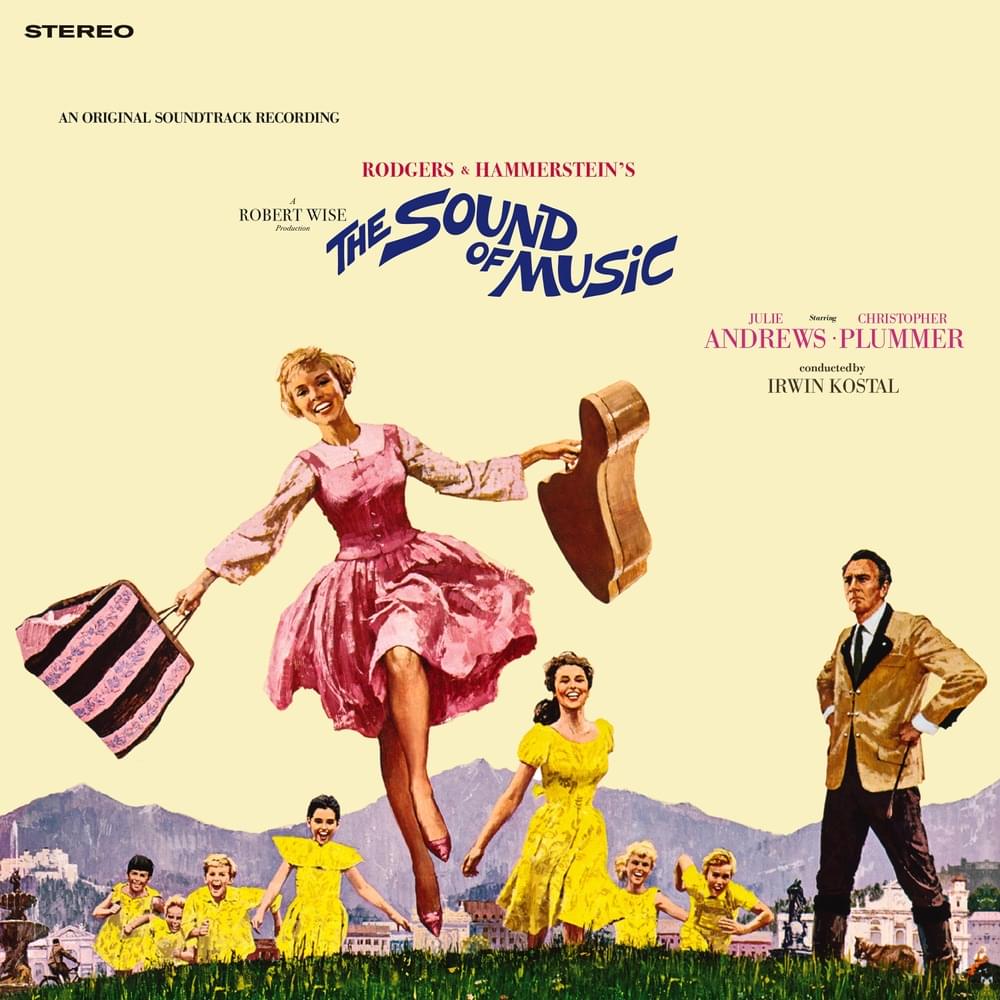
 View Artist