Song Meaning
The opening of this piece immediately establishes a sacred atmosphere through Latin liturgical text. The "Nuns" intone "Propterea exaltabit caput," a phrase suggesting exaltation or lifting of the head, setting a tone of reverence and anticipation. This is quickly followed by the "Mother Abbess" leading a doxology, "Gloria Patri et Filio / Et Spiritui Sancto," a direct invocation of the Holy Trinity. The collective voice of the "Nuns" then echoes the eternal nature of this praise: "Sicut erat in principio / Et nunc, et semper / Et in saecula saeculorum / Amen." This cyclical structure, from beginning to now and forevermore, underscores the timeless and unchanging aspect of divine glory.
The core of this prelude lies in its function as a sacred invocation and affirmation. The lyrics aren't narrative but rather a declaration of faith and worship. The repetition of "Et nunc, et semper / Et in saecula saeculorum" emphasizes the perpetual nature of God's glory, grounding the listener in a sense of enduring spiritual truth. The text functions as a sonic and thematic foundation, preparing the listener for what is to come by immersing them in an atmosphere of solemn devotion.
The most striking aspect of the craft here is the use of Latin, a language that inherently carries weight and tradition within religious contexts. This choice immediately signals a specific, formal, and ancient mode of worship. The call-and-response structure between the "Nuns" and the "Mother Abbess" creates a sense of communal prayer, building in intensity towards the final, resounding "Amen." This communal aspect, reinforced by the layered voices implied, draws the listener into the ritualistic space.
This prelude's effectiveness stems from its direct engagement with established religious liturgy. It doesn't require complex interpretation; its power lies in its directness and the sonic texture of the Latin phrases. The familiar cadence of the doxology, combined with the sense of eternal praise, creates an immediate emotional resonance for those familiar with such traditions, while for others, it evokes a profound sense of solemnity and timelessness. It’s a pure sonic and spiritual statement.
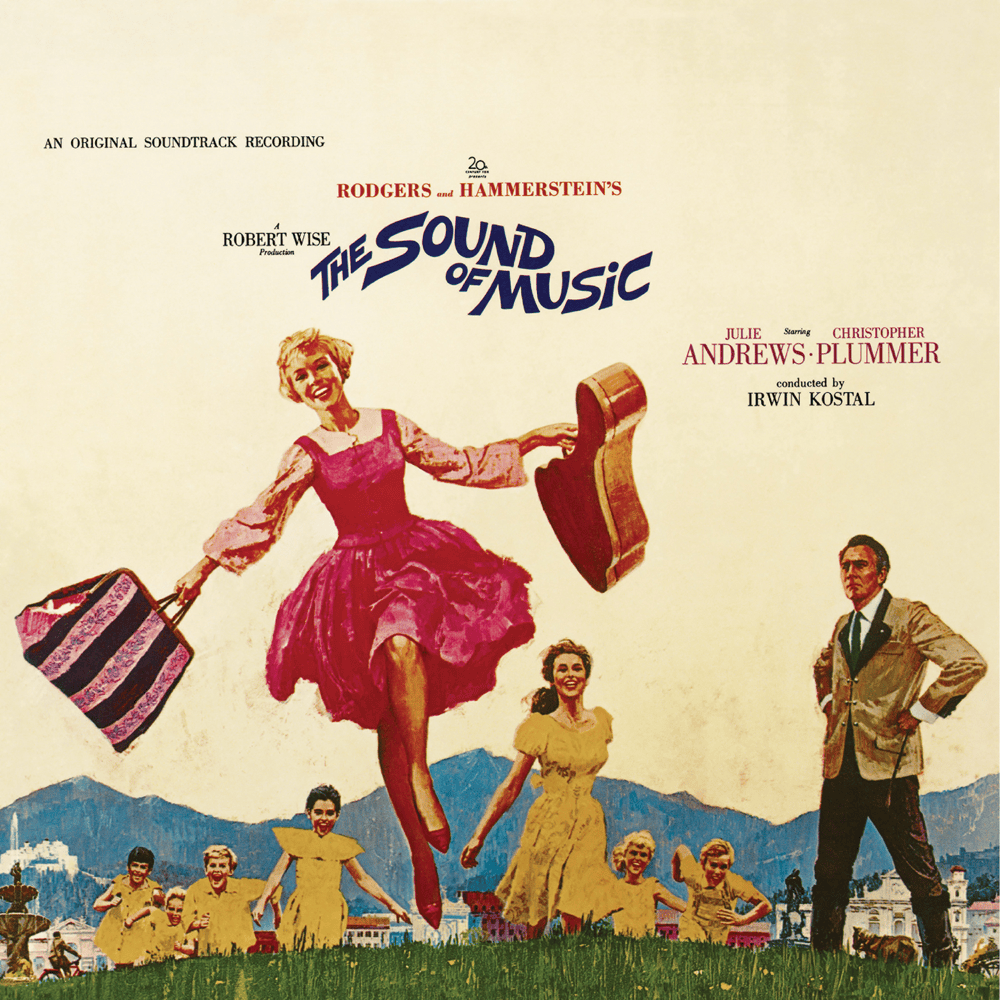
 View Artist