Song Meaning
Juliana Hatfield's "Law of Nature" operates in a realm where instinct trumps intellect, and primal desires reign supreme. The song dives headfirst into the messy, often destructive, impulses that govern human relationships, framing them as an inescapable force, as natural as gravity. Hatfield isn't romanticizing; she's acknowledging the uncomfortable truth that sometimes, our most profound connections are fueled by something far less noble than love. The opening imagery of something fragile being crushed "just to watch it die" sets a stark tone, hinting at a capacity for casual cruelty that lurks beneath the surface. This isn't about conscious malice, but rather a detached curiosity about the extent of one's own power. The flies feeding on blood becoming an analogy for love underscores the parasitic nature of certain relationships, the insatiable hunger that drives them. "Do they ever get enough?" she asks, suggesting a bottomless pit of need and a potentially vampiric dynamic.
The repeated refrain, "Reason has no place in this vicious/selfish world," serves as the song's bleak thesis. Hatfield isn't merely observing; she's implicating herself. The lyrics "I take what I need / Spit out the bones and seeds" paint a picture of a ruthlessly pragmatic approach to connection, devoid of sentimentality. The warmth derived from "curling up with your skin" is purely utilitarian, a means to an end. This isn't about partnership; it's about survival. By rejecting the guidance of "preachers, doctors, leaders," Hatfield positions herself outside the bounds of societal norms and moral constraints, embracing a more animalistic code of conduct. She fully submits to the pull of the "burning flame," an irresistible force that renders reason powerless.
Ultimately, "Law of Nature" is an exploration of the darker aspects of human behavior, the parts of ourselves we often try to deny or rationalize. Hatfield doesn't offer easy answers or moral judgments; she simply presents a raw, unflinching portrayal of the instincts that drive us, even when they lead us down destructive paths. The song's power lies in its honesty, its willingness to confront the uncomfortable truth that we are all, to some extent, governed by the laws of nature, by desires that defy logic and morality. It's a reminder that beneath the veneer of civilization, primal urges still hold sway, shaping our relationships and dictating our choices.
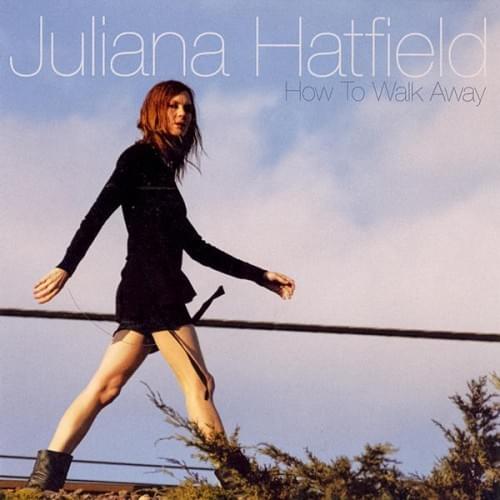
 View Artist