Song Meaning
Juliana Hatfield's "I Want to Want You" is a masterclass in the push and pull of desire, a raw nerve exposed in under three minutes. The song isn't simply about wanting someone; it's about the agonizing struggle to *want* to want them, a subtle but crucial distinction. Hatfield lays bare the internal conflict of forcing oneself into a feeling, battling against a current of apathy or even antipathy. The opening lines, "Dust off the instruments / Do you still know how to play?" suggest a relationship gone stale, a performance of affection where the genuine spark has long faded. The "pride of lions" that rubs her the wrong way points to a self-assuredness in the other person that grates, a disconnect between how they perceive themselves and how she experiences them. There's a sense of forced intimacy, like pulling "bad poetry" from a "cookie jar," implying a lack of authenticity and genuine connection.
The chorus, a repetitive mantra of "I want to want you," becomes increasingly desperate with each iteration. It's not a declaration of love but an admission of a void, a yearning to feel something that isn't there. The verses explore the reasons behind this emotional disconnect. Lines like "My face has changed / I don't look the same / A human mutation / Alienation factory" suggest a profound sense of self-estrangement. Perhaps she feels changed by the relationship itself, alienated from her true self to the point where genuine desire is impossible. The admission, "What a bad judge of character you were," hints at a fundamental incompatibility, a regret for the initial attraction that has now soured.
Ultimately, "I Want to Want You" is a brutally honest exploration of emotional labor in relationships. Hatfield dissects the pressure to perform desire, to manufacture feelings that don't arise naturally. The lines, "You're such a lucky man / Over and over again / Runs like a dream / No demons in your machine," highlight the imbalance in the relationship. He's seemingly untroubled, existing in a state of blissful ignorance, while she's wrestling with internal demons and the inability to bridge the emotional gap. The inability to explain what she doesn't understand underscores the song's central theme: the frustrating, isolating experience of wanting to want, but being fundamentally unable to.
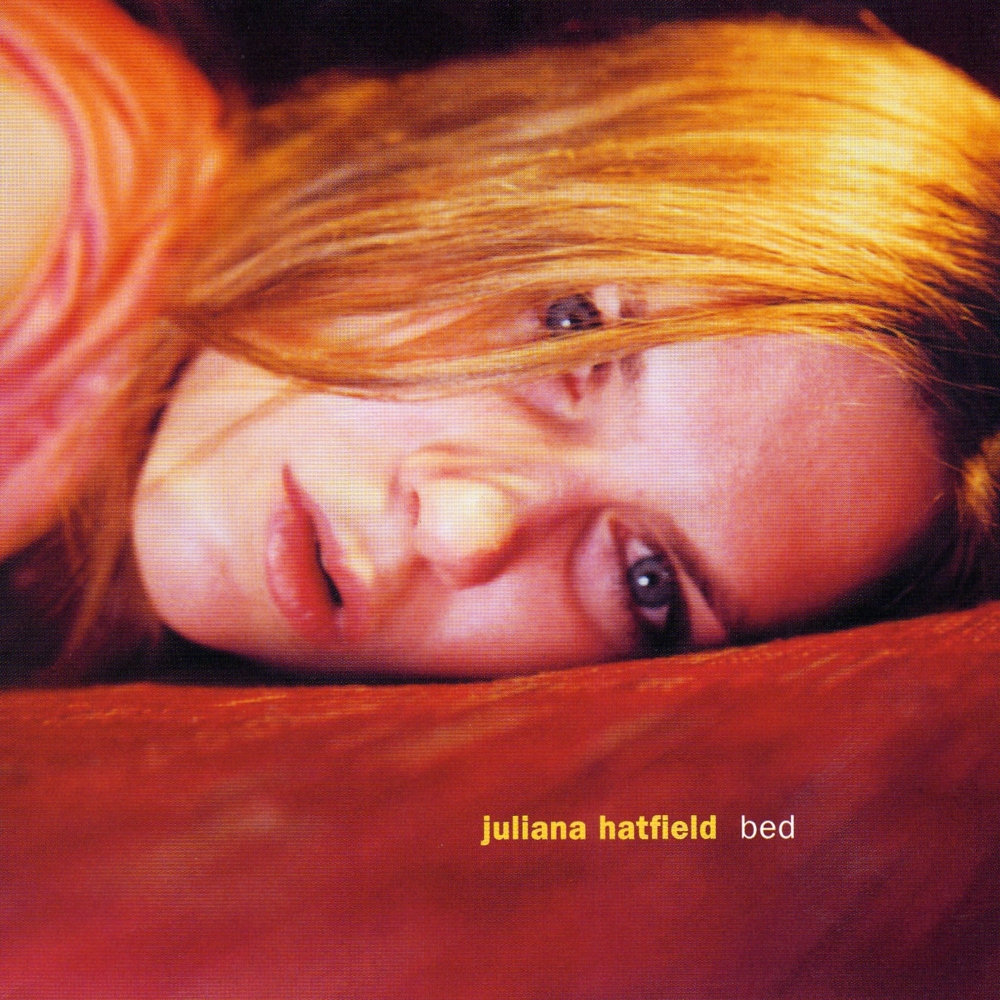
 View Artist