Song Meaning
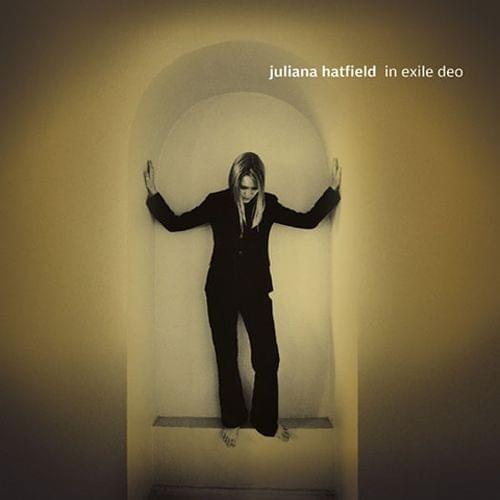
{"song_id": 14441999, "meaning": "Juliana Hatfield's \"Forever\" operates in the fraught space between addiction and longing, a tightrope walk familiar to anyone who's battled self-destructive desires. The deceptively simple lyrics paint a picture of someone caught in a loop, symbolized by the opening \"Red light / Red light / Go to green,\" suggesting a momentary reprieve before the cycle inevitably begins again. This isn't just about substance abuse; it's a broader commentary on the human tendency to cling to things that are demonstrably harmful, whether it's a toxic relationship, a destructive habit, or a self-sabotaging thought pattern. The repeated phrase \"Just one more then I'll quit forever\" is the mantra of the addict, a promise perpetually broken, a desperate attempt to regain control while simultaneously surrendering to the compulsion. Hatfield perfectly captures the internal conflict, the awareness of the damage being done (\"Don't think I don't know it's really bad for me\") juxtaposed with the inability to break free.
The song's emotional core resides in the tension between wanting to escape and being unable to imagine life without the object of addiction. The lines \"When I need you / I think I know how much I've thrown away / If I had you now / I think I'd be okay\" reveal a vulnerability, a belief that the very thing that's destroying her is also the key to her salvation. This is the twisted logic of addiction, the illusion that the source of pain is also the source of comfort. The \"secret\" she tries to hide, the way she \"can't concentrate,\" speaks to the all-consuming nature of this obsession, how it bleeds into every aspect of her life, isolating her from others (\"I know no one that I know / Will see me here\").
Ultimately, \"Forever\" isn't a celebration of self-destruction, but a raw and honest portrayal of the struggle to overcome it. The shift from \"Red light went to green\" to \"now I don't feel anything\" suggests a numbing effect, a temporary escape from the pain, but also a loss of vitality. The concluding repetition of \"Forever\" carries a double meaning: the fear of being trapped in this cycle indefinitely, but also perhaps a flicker of hope that one day, freedom will truly be forever. The final \"Amen\" adds a layer of resigned acceptance, a prayer for deliverance from a battle that feels both intensely personal and universally relatable."}
 View Artist