Song Meaning
Juliana Hatfield's "Breeders" isn't a lullaby; it's a sonic Molotov cocktail tossed at the idealized nuclear family. The track, raw and wiry, skewers suburban reproduction and its discontents with a sneer. Hatfield paints a portrait of "scary breeders" – conformist parents churning out offspring in lockstep, fueled by cable TV, air conditioning, and the latest cellular technology, symbols of a numbing, consumerist existence. The lyrics aren't subtle, and that's the point. This isn't gentle satire; it's outright disdain. The song captures the frustration of feeling alienated by a culture that prioritizes procreation and conformity above all else. It speaks to the anxieties of those who feel pressured to follow a prescribed path, one they instinctively reject.
The song takes a darker turn with the lines about a "screaming monster" and the unsettling suggestion to pacify it with Pepsi or violence. Here, Hatfield touches on the messy, often unspoken realities of parenthood. The "implant leak" introduces a disturbing, almost sci-fi element, perhaps alluding to the artificiality of modern family life or the physical and emotional toll of pregnancy. This imagery hints at a deeper critique of societal expectations placed on women, reducing them to mere vessels for reproduction. The unsettling, almost sarcastic tone suggests a rejection of the romanticized image of motherhood, exposing the potential for resentment and even cruelty.
Ultimately, "Breeders" is an anthem for the disaffected, a primal scream against the pressure to conform. The repetition of "scary breeders" and the desire to be "run out of town" underscores the singer's profound sense of alienation. It's a song about feeling like an outsider, repulsed by the perceived homogeneity and superficiality of suburban life. The final litany – "Those breeders, strange breeders, dog breeders" – descends into almost absurd name-calling, highlighting the irrationality and intensity of the singer's feelings. It's a bracing, uncomfortable listen, but one that resonates with anyone who has ever felt like an outcast in their own community.
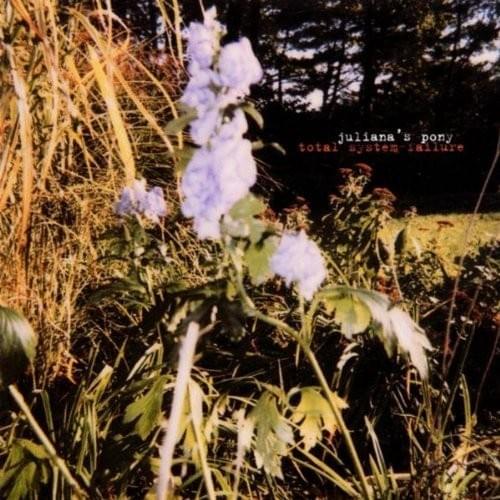
 View Artist