Song Meaning
Julian Lennon's "Take Me Home" isn't simply a plea for companionship; it's a raw, vulnerable exploration of the fear of isolation, cloaked in the desire for connection. The repeated mantra, "Take me home for the ride," acts as both a literal request and a symbolic yearning for solace, a desire to escape the internal darkness that seems to perpetually haunt the singer. That 'ride' isn't just a journey; it's a shared experience, a mutual pact against the encroaching loneliness that threatens to consume. The subtle shift in the lyrics, from "I won't be alone" to "I won't cry alone" and finally to "I won't die alone," reveals a deepening desperation, a gradual stripping away of defenses to expose the core fear driving the request.
The verses are where the song's true emotional weight resides. Lennon's confession, "I am standing in the shadows of the garden/Confessing to the pale moon above," positions him as a wounded romantic, hesitant to reveal his true feelings for fear of rejection. The line, "every time I love the flower dies," speaks to a history of failed relationships, a pattern of self-sabotage or perhaps simply the crushing weight of expectation that has stifled past loves. The "darkness in the air" suggests a premonition of doom, an almost pre-ordained sense of failure that colors his perception of love. The willingness to show his heartache, "If you want to see the heartache/You can look into my eyes," is a desperate invitation to witness his pain, a plea for empathy and understanding.
Ultimately, the song's meaning rests on the delicate balance between fear and hope. The bridge offers a glimmer of optimism, acknowledging the importance of "respect and honesty" in love. The singer recognizes his shortcomings, admitting he sometimes gives "less than I should give," but vows to change, to hold on "for as long as I live." This is not a declaration of perfect love, but rather a commitment to vulnerability, a willingness to confront his own emotional baggage in order to forge a lasting connection. "Take Me Home" is a powerful reminder that the fear of being alone is a universal human experience, and that true connection requires both courage and a willingness to embrace our own imperfections.
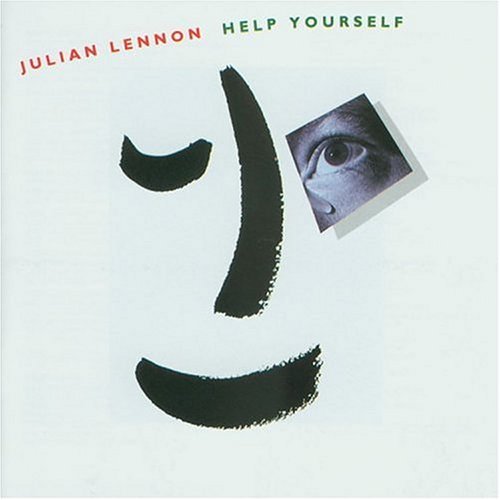
 View Artist