Song Meaning
Julian Lennon's "Other Side of Town" isn't just a song; it's a melancholic portrait of loss and displacement. Musically, it's deceptively gentle, but beneath the surface lies a deep well of sorrow. The lyrics depict a stark before-and-after scenario, contrasting a past life of comfort ("living down on easy street") with a present defined by hardship and absence. The phrase "the other side of town" becomes a potent symbol, representing not only a physical relocation but also a profound shift in fortune and emotional well-being. It speaks to the universal fear of losing stability and the painful reality that luck, like love, can be fleeting. The recurring line, "She won't be home tonight / Because our luck has changed," underscores the central theme of broken relationships compounded by economic or social decline.
The song's emotional core rests on the narrator's vulnerability. Lines like "I cry to sleep / Wondering who / Cradles you softly and true" reveal a raw, exposed nerve. It's not just about the loss of a partner; it's about the agonizing uncertainty of their new life, the implied replacement, and the feeling of utter helplessness. The falling stars, initially presented as a romantic image, morph into a symbol of fading hope and shattered dreams. This juxtaposition highlights the song's central tension: the conflict between memory and reality, between what was and what is.
Ultimately, "Other Side of Town" resonates because it taps into the primal fear of abandonment and the struggle to find meaning in the face of adversity. The question, "When the sky falls down / Does it make a sound / On the other side of town," is more than a simple query. It's a desperate plea for connection, a haunting expression of isolation, and a poignant reminder that even in the darkest of times, the human spirit yearns for understanding and empathy. The song leaves you with a lingering sense of sadness, but also a quiet respect for the resilience required to navigate life's inevitable downturns.
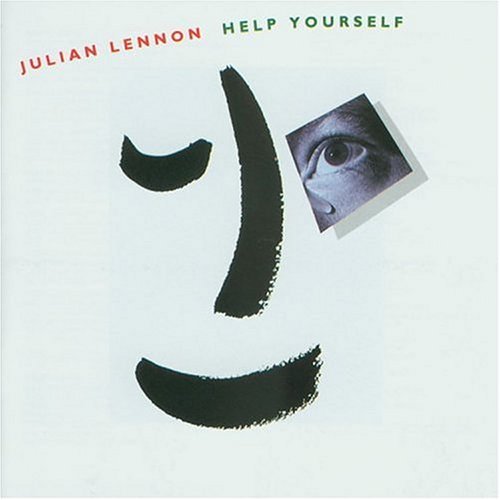
 View Artist