Song Meaning
Julian Lennon's "Freedom" isn't a protest anthem in the traditional sense; it's a deeply personal exploration of love as liberation. The simplicity of the lyrics belies a profound understanding of how genuine connection can unshackle us from internal constraints. Lennon isn't singing about political freedom, but rather the freedom found within a loving, reciprocal relationship. The opening lines, "I can see, the love in me / And I can tell, I love your spell," immediately establish this intimate context. It's about recognizing the transformative power of love, its ability to reveal and nurture the best parts of ourselves. The "spell" suggests an almost magical quality, highlighting love's enchanting influence. The lyrics suggest a journey from self-imposed limitations to a state of liberation through love.
The core of the song meaning lies in the repeated assertion, "your love is freedom." This isn't just a romantic platitude; it speaks to the psychological impact of feeling truly accepted and understood. When someone's love provides freedom, it implies a lack of judgment, expectation, or control. It's a space where vulnerability is safe, and authenticity is celebrated. The parenthetical lines, "(If you let it go, there's only memories left to show, or don't you know) / (If you let it go, we only reap in what we sow, or don't you know)," add a layer of cautionary advice. It suggests that this freedom is fragile, dependent on commitment and conscious effort. Love, like freedom, can be easily lost if not nurtured.
Ultimately, "Freedom" by Julian Lennon is an introspective song about the liberating nature of love. It's a reminder that true freedom isn't always found in grand gestures or external circumstances, but often in the quiet intimacy of a loving connection. The repetition of "Freedom" at the song's close reinforces this central theme, creating a meditative space for listeners to contemplate the role of love in their own pursuit of inner peace and autonomy. It’s a sophisticated take that understands love's potential to either bind or release, depending on how it's approached.
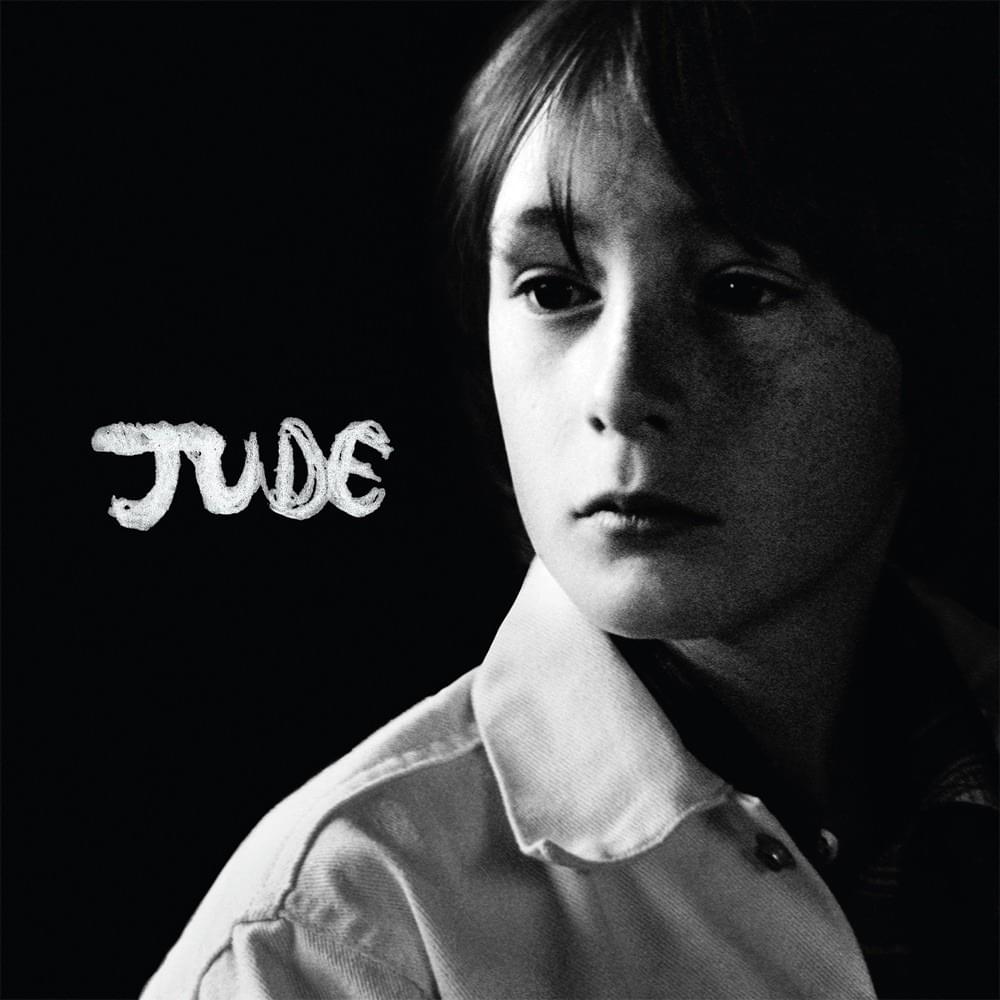
 View Artist