Song Meaning
The lyrics paint a picture of a figure perceived as dark and threatening, someone others wish to eradicate daily. This entity feels attacked by unseen forces – described as "gusła, modły, ciernie" (charms, prayers, thorns) – yet asserts a persistent presence. The narrator seems to be an inescapable, perhaps even predatory, force, drawing sustenance from the fear they inspire in others. This is a being that thrives on the apprehension it creates, feeding on the very terror it instills.
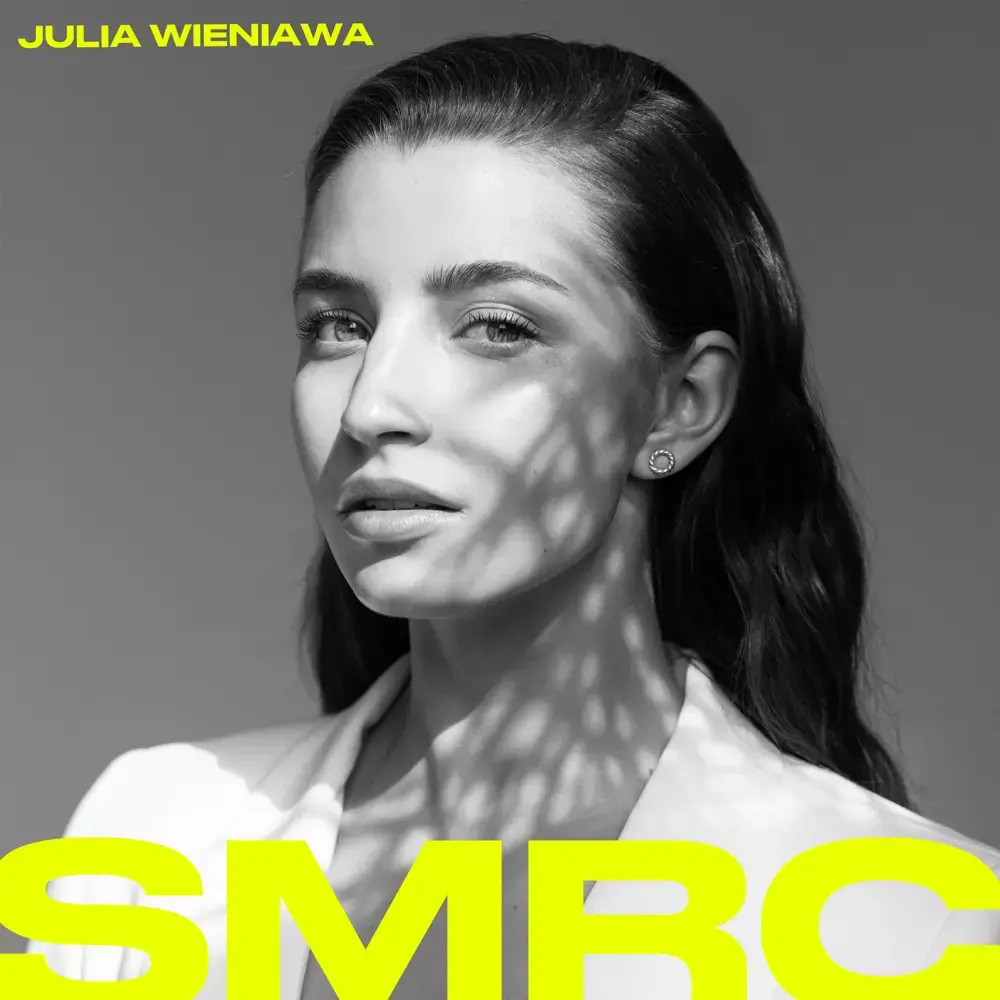
The central tension lies in the narrator's dual nature: they are both the object of fear and the source of it, seemingly drawing power from this dynamic. The repeated phrase "oko, brąz, oko, brąz" (eye, brown, eye, brown) grounds this unsettling presence in a specific, almost hypnotic visual. It suggests a fixed, intense gaze that captivates and unnerves, hinting at an ancient or primal power. The narrator's pronouncements, like "Wieczny jest mój tron, wybacz" (My throne is eternal, forgive me), convey an unyielding, almost divine authority that brooks no argument or escape.
What makes these lyrics so potent is the subtle subversion of typical predator-prey dynamics. The narrator doesn't just inflict fear; they are *nourished* by it, as stated in the refrain: "Karmi mnie twój lęk" (Your fear feeds me). This creates a chilling symbiosis where the victim's terror becomes the aggressor's lifeblood. The imagery of "Para z ust, nie puszczę szybko" (Steam from the mouth, I won't let go quickly) further emphasizes this inescapable grip, suggesting a cold, lingering threat that doesn't dissipate easily. The invitation to "Zajrzyj w oka głąb" (Look deep into my eyes) isn't an offer of connection, but a challenge to confront the void that sustains them.
 View Artist