Song Meaning
Julee Cruise's "I Float Alone" isn't just a song; it's a masterclass in sonic desolation, a Lynchian heartbreak rendered in shimmering, ethereal tones. The lyrics, stark in their simplicity, paint a portrait of utter abandonment. The opening lines, "Floating through this darkness / All alone," immediately establish a sense of isolation and disorientation. This isn't just sadness; it's a plunge into the abyss of grief, where love has vanished, leaving only a chilling void. The repeated assertion that "Love's gone" isn't a statement of fact but a mantra of despair, a desperate attempt to process the unbearable. The imagery throughout the song is deliberately stark. Love is "cold as a stone," "bare as a bone" – stripped of all warmth and life. This visceral language emphasizes the totality of the loss, the feeling that nothing remains.
The "memory face" the narrator tries to hold onto suggests a struggle against fading recollections, a desperate attempt to preserve what's slipping away. The line "You seem to have vanished without a trace" evokes the unsettling feeling of erasure, as if the loved one never existed. This sense of unreality is further amplified by the song's dreamlike atmosphere, created by Cruise's signature breathy vocals and the song's haunting melody. As the song progresses, the imagery intensifies. "Sad dreams blow through dark trees," painting a landscape of sorrow. "Clouds of sadness raining all night long" suggests an unending deluge of grief, a relentless downpour that offers no respite. The finality of "The end of our song" is crushing, marking the irreversible closure of the relationship.
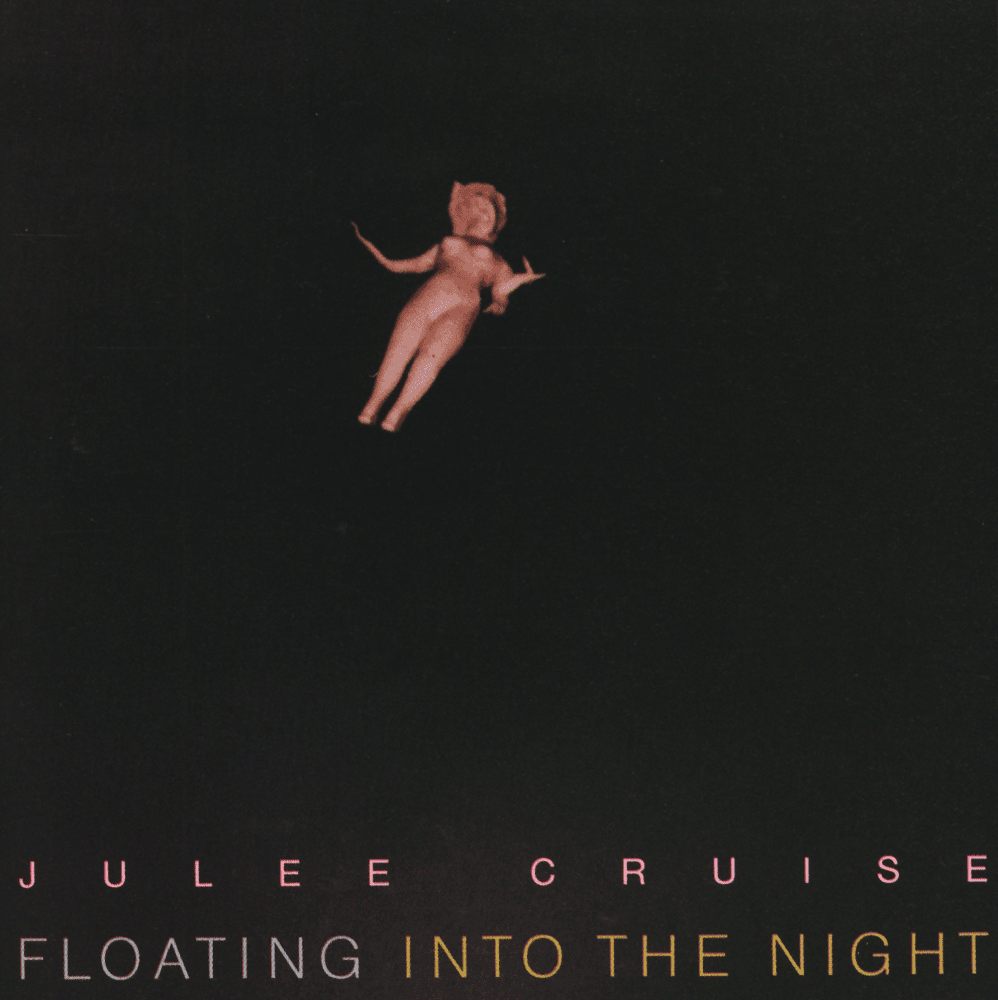
The recurring refrain, "I float alone," isn't merely a statement of solitude; it's an embodiment of existential drift. The narrator is untethered, adrift in a sea of sorrow, with no anchor and no destination. The act of floating suggests a lack of control, a surrender to the overwhelming current of grief. The "darkness" and "empty space" mentioned in the lyrics aren't just physical environments; they're metaphors for the inner landscape of the heartbroken, a void where love once resided. Cruise doesn't offer any easy answers or comforting platitudes. Instead, she invites us to dwell in the discomfort of loss, to confront the raw, unyielding pain of being utterly alone. The song's power lies in its unflinching portrayal of heartbreak, its willingness to explore the darkest corners of the human heart.
 View Artist