Song Meaning
The lyrics present a stark, almost nihilistic encouragement to drink, framing it as the only viable path when nothing else holds you back. The narrator repeatedly urges the listener to drink and create illusions, suggesting that if great ideas are born in beer, then stained clothes are a small price to pay. This sets up a central tension: is this genuine liberation or a self-destructive escape? The repeated command, "Juo vaan" (Just drink), becomes a mantra, detached from consequence and tied only to the act itself.
The core conflict seems to be between external pressures and internal surrender. The lyrics acknowledge potential repercussions, like losing a job, but dismiss them with the same casual "Juo vaan." The imagery shifts to the natural world – the cool freshness of the shore, seeing water and land – as if to suggest a primal, unburdened state achievable through intoxication. This feeling is described as the greatest, a freedom that lets one "meet the gods."
What's striking is the ironic elevation of drinking to a national economic strategy. The narrator suggests that as long as there's enough to drink, the state's coffers are served, and the individual can single-handedly fix the country's economy by drinking. This absurd proposition, culminating in the idea that drinking brings an "iron cross," highlights a profound disillusionment. The lyrics suggest that in a world devoid of other meaningful pursuits or rewards, the simple act of drinking becomes its own justification and even its own medal.
Ultimately, these lyrics hit hard because they tap into a raw, perhaps cynical, desire for escape and validation, however hollow. The relentless, almost aggressive encouragement to drink, coupled with the absurd justifications, creates a powerful, unsettling portrait of surrender. It’s the sheer, unvarnished embrace of intoxication as the sole, ultimate purpose that makes the message so potent and bleaklyricism so sharp.
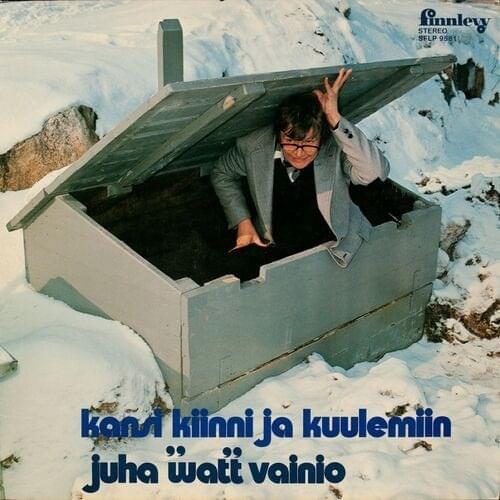
 View Artist