Song Meaning
The lyrics paint a vivid picture of a past filled with youthful adventures and the intense anticipation of something significant. The narrator recalls specific, almost mundane details like "kirkon portaat" (church stairs) and "kylän kaksi siltaa" (the village’s two bridges) as cherished memories, carried "niin kuin lasta" (like a child). These simple locations become charged with the energy of young love and a sense of a world entirely contained within these shared experiences. The feeling is one of nostalgia for a time when the narrator's "maailma" (world) was so clearly defined by these moments and people.
This idyllic past is contrasted with the present, which is described as both "tuttu ja vieras" (familiar and strange). The narrator observes how the landscape has changed, with trees and bushes now filling spaces and boys growing into men, becoming fathers themselves. Even a familiar figure, the kiosk seller, is recognized as someone the narrator once transported on their bike. This sense of time's passage and transformation creates a poignant tension between the enduring memory of youth and the undeniable reality of adulthood and change.
The central emotional driver is the repeated phrase, "Sitä jotakin, sitä jotakin" (That something, that something), sung while waiting "yöt ja päivät" (nights and days). This yearning for an undefined future, a significant yet unnamed event or feeling, captures the essence of youthful anticipation. The lyrics suggest this waiting was a defining characteristic of that period, a constant undercurrent to the everyday experiences. The rapid transformation, "Nopeasti niin kaikki kävikin" (So quickly it all happened), underscores the fleeting nature of that time and the eventual arrival, or perhaps passing, of that longed-for "something."
The effectiveness of these lyrics lies in their grounded specificity and the subtle emotional resonance it creates. By focusing on tangible memories – car rides, bridges, specific people – the narrator makes the abstract feeling of nostalgia and the passage of time deeply relatable. The contrast between the vibrant, contained world of youth and the altered, more complex present is rendered with a quiet ache, making the listener reflect on their own past and the inevitable changes that time brings.
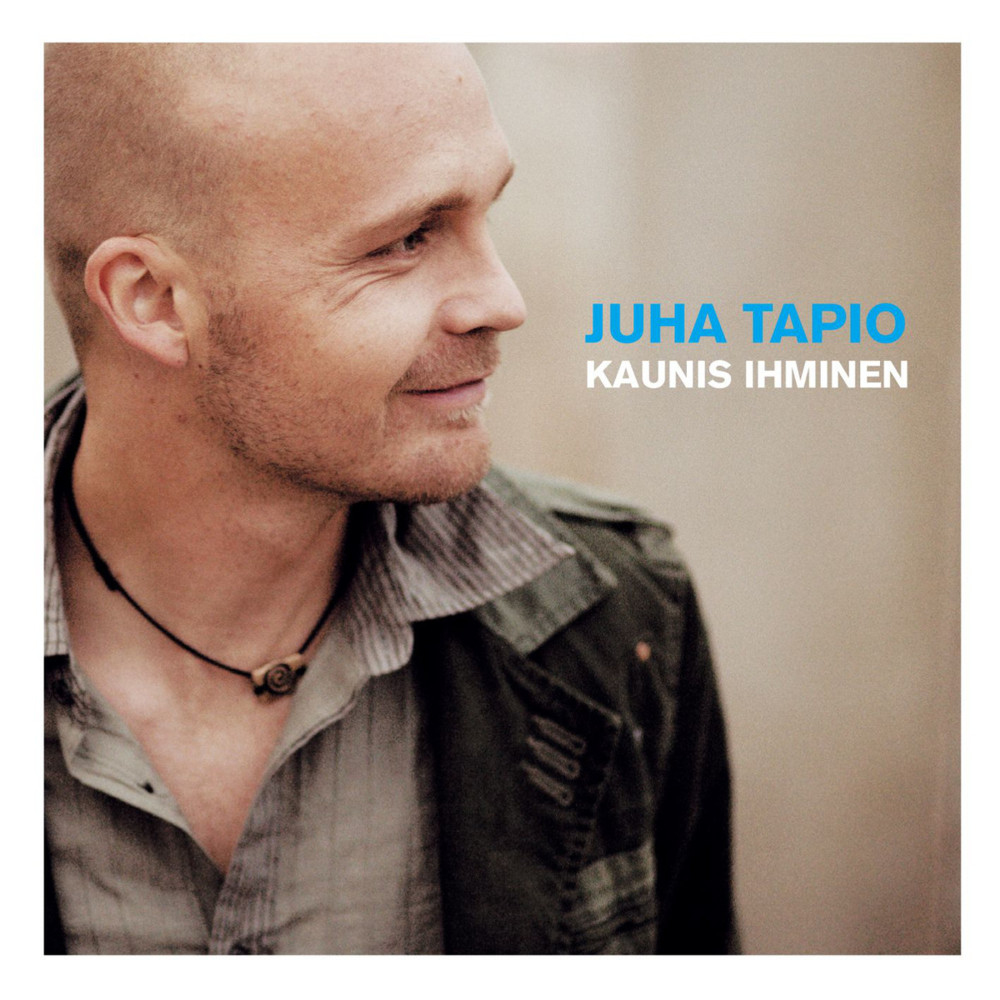
 View Artist