Song Meaning
The lyrics paint a stark contrast between an "endless weeping" and its sudden cessation, a profound shift from a "burden of man." This transition is framed as a release, a "shackle of tears" broken, leading to a "promised land." The initial imagery of pervasive sorrow, "from mothers of the earth," is abruptly replaced by a state of peace and light, where "day shines its brightness" and "night is no more."
The central tension arises from the narrator's questioning of this newfound state and the entity waiting in the "promised land." The repeated question, "Are you waiting there for me?" or "Will you wait if I come?" suggests a profound uncertainty about arrival and acceptance in this place of peace. This doubt lingers even as the lyrics describe the ease of a child, "easy for a child to just sing," unburdened by earthly pain, a state the narrator seems to aspire to but questions if they can attain.
The most striking craft element is the direct juxtaposition of overwhelming sorrow and absolute peace, marked by the repetition of "Itku loppumaton" (endless weeping) and its immediate negation, "Loppunut kokonaan" (ended completely). This abrupt shift, amplified by the simple, almost childlike descriptions of ease and light, creates a powerful emotional arc. The repeated questions about being met in the promised land underscore the fragility of this transition, making the peace feel earned yet precarious.
This lyrical construction effectively captures a complex emotional state: the relief of escaping profound suffering, coupled with the anxiety of whether that escape is permanent or fully realized. The contrast between the heavy "burden of man" and the light, singing child highlights the desired state of being, while the persistent questions ground the narrative in a relatable human doubt about reaching true peace. The lyrics resonate by articulating the hope for an end to pain and the quiet, persistent question of whether that end is truly accessible.
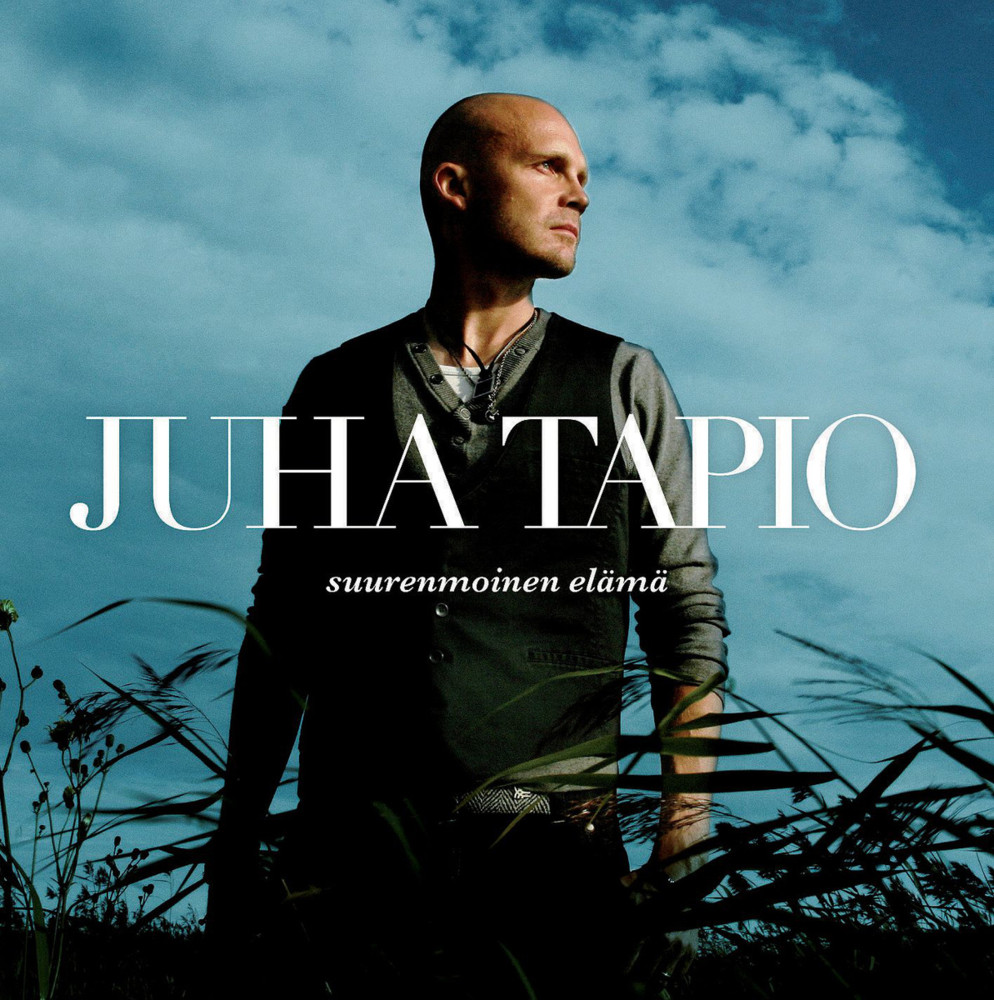
 View Artist