Song Meaning
The lyrics paint a stark picture of a world drowning in "pure confusion" and "sufferation," where people are dying. Against this backdrop of chaos, the narrator offers a clear alternative: a spiritual "home" on "holy mount Zion." This place is presented as an antidote to worldly confusion, a sanctuary of "light" that requires shedding "baggage." The immediate invitation is to make a "decision" to leave the troubled present for this promised future.
The central tension arises from the contrast between the oppressive reality and the hopeful vision of Zion. The narrator directly addresses "heads of government," demanding the "free jah people from captivity." This plea is urgent, warning that delays will only worsen the situation, culminating in a powerful, almost apocalyptic "chant from Zion" that brings "lightning and thunder" to scatter oppressors. The repeated call to "join the light" and "don't stay behind" underscores the urgency of this spiritual and physical liberation.
The most striking element is the powerful, almost primal, assertion of identity: "Marching on because we're African children." This phrase grounds the spiritual quest in a specific heritage and collective experience, linking the pursuit of Zion with ancestral roots and a shared destiny. It transforms the call to Zion from a purely abstract spiritual escape into a movement of liberation rooted in a distinct cultural identity and historical context.
This lyrical construction is effective because it grounds abstract spiritual concepts in concrete imagery and urgent calls to action. The repetition of "Going home to holy mount Zion" acts as a mantra, reinforcing the destination and the promise. By juxtaposing the suffering of the world with the divine order of Zion, and framing it within the context of "African children," the lyrics create a compelling narrative of hope, resistance, and homecoming that resonates with a deep sense of collective identity and spiritual yearning.
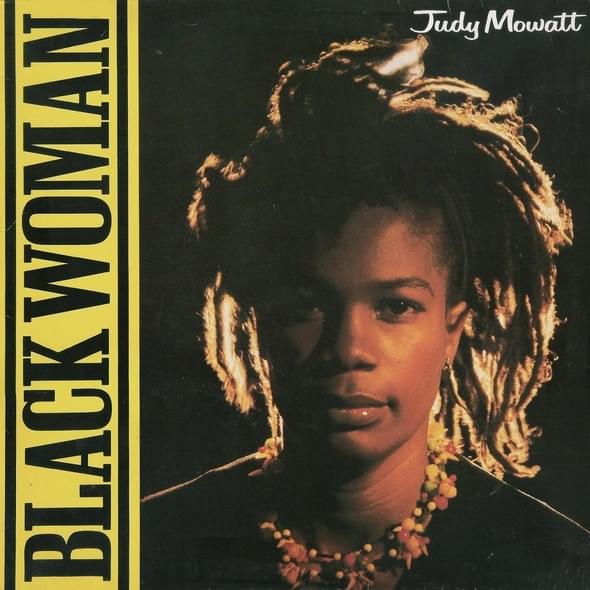
 View Artist