Song Meaning
This track paints a vivid picture of yearning for liberation from a place of oppression, referred to as "Babylon." The narrator expresses a deep desire to return to a promised homeland, "my Father's land," suggesting a spiritual or ancestral connection. The repeated phrase "down in the valley much too long" establishes a sense of prolonged hardship and confinement, yet it's immediately countered by the defiant assertion "we never get weary." This contrast highlights a resilient spirit that endures despite the difficult circumstances.
The core tension lies in the struggle between the current state of suffering and the unwavering hope for deliverance. The mention of "Lumumba" and the act of killing him for his land introduces a historical echo of political struggle and resistance against oppression. The defiant declaration "they couldn't kill the Rastaman" elevates this resistance to a spiritual level, implying that the true essence of the Rastaman, their faith or spirit, is unkillable.
The repeated invocation of "Lord Jah" and "Ethiopia" throughout the chorus and outro serves as a powerful mantra, reinforcing the spiritual foundation of their hope and identity. This isn't just a physical escape; it's a spiritual exodus. The lyrics suggest that faith in "Jah" and the vision of "Ethiopia" are the sources of their strength, allowing them to remain unweary even when "down in the valley."
The effectiveness of these lyrics stems from their potent blend of spiritual conviction and defiant resilience. The simple, repetitive structure of the chorus acts like a prayer or an anthem, solidifying the collective identity and shared aspiration. By juxtaposing the bleakness of the "valley" with the radiant hope of "Ethiopia" and the unyielding spirit of the "Rastaman," the song creates a powerful emotional arc of enduring faith against overwhelming odds.
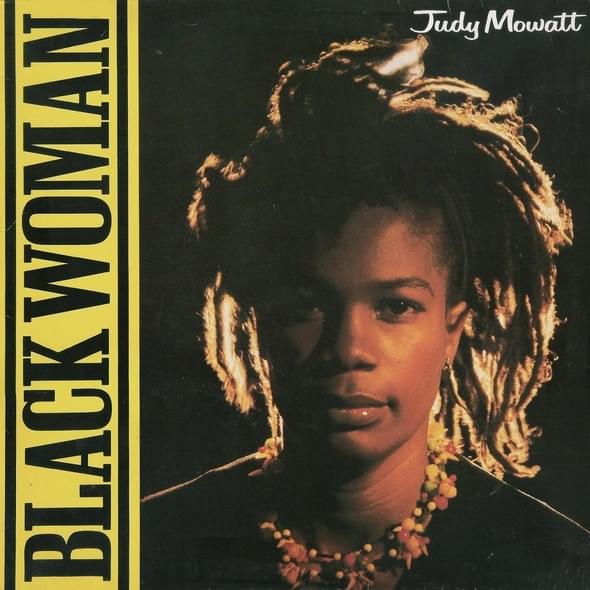
 View Artist