Song Meaning
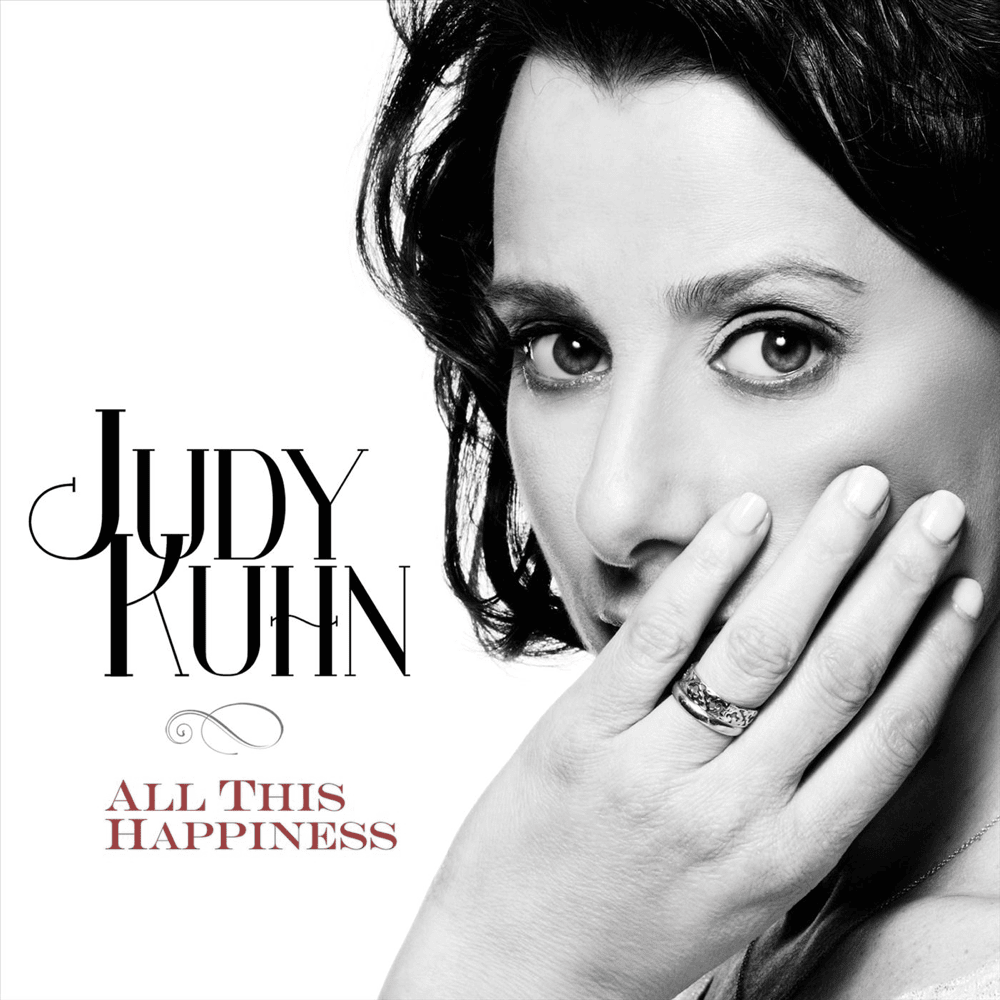
Judy Kuhn's interpretation of "Dance Me to the End of Love" is more than a simple love song; it's a profound exploration of intimacy, vulnerability, and the enduring power of connection. The repeated invocation to 'dance' becomes a metaphor for navigating life's complexities alongside another person. It suggests a journey that transcends mere romance, moving into realms of shared experience, mutual support, and the acceptance of imperfections. The burning violin in the opening lines isn't just about passion, but perhaps hints at the destructive potential within intense emotions, requiring careful navigation. The request to be 'gathered safely in' implies a deep-seated need for protection and reassurance within the relationship. It's a plea for solace amidst the chaos. The idea of being lifted 'like an olive branch' further cements this theme, symbolizing peace and reconciliation found within the embrace of love.
The lyrics subtly acknowledge the paradoxical nature of intimacy. The lines, 'Let me see your beauty when the witnesses are gone / Let me feel you moving like they do in Babylon,' suggest a longing for unfiltered authenticity. Babylon, often associated with decadence and hidden desires, implies a yearning for a connection that exists beyond social constraints and expectations. The phrase, 'Show me slowly what I only know the limits of,' is a vulnerable admission of the unknown, a desire to explore the uncharted territories of the self through the lens of love. The wedding imagery and references to children 'asking to be born' expand the song's scope, hinting at the potential for love to create and sustain life. This isn't just about romantic infatuation; it's about the generative power of partnership.
Ultimately, the most haunting aspect of "Dance Me to the End of Love" lies in its acknowledgement of fragility. The lines, 'Dance me through the curtains that our kisses have outworn / Raise a tent of shelter now, though every thread is torn,' speak to the impermanence of even the most profound connections. The worn curtains and torn threads are potent symbols of time's passage and the inevitable erosion of youthful passion. Yet, even in the face of decay, there's a powerful insistence on creating shelter, on finding solace and meaning within the shared space of love. The recurring refrain, 'Dance me to the end of love,' isn't necessarily morbid. Instead, it suggests a commitment to journeying together until the very end, embracing both the beauty and the pain, the passion and the weariness, that life inevitably brings. Kuhn's interpretation turns this into a timeless meditation on love's enduring strength and its capacity to provide comfort even in the face of life's inevitable unraveling.
 View Artist