Song Meaning
The lyrics paint a celestial, almost apocalyptic scene of a figure descending, described as a "fiery bride" and "mother of the mark and the prize." This powerful, yet silent, entity is falling from grace or perhaps from a distant galaxy, her eyes holding a "glaze of paradise" while her mouth is "torn with stars and bruised with wings." The imagery is starkly beautiful, suggesting a cosmic event of immense significance, a departure that is both divine and destructive.
The central tension lies in the contrast between the figure's immense, almost divine power and her inability to communicate or connect. She "cannot call to us" and "does not sing," emphasizing a profound isolation despite her radiant, falling presence. This silent descent, originating "out from Andromeda" and heading "into the night," evokes a sense of inevitable doom or transformation, a departure from a known realm into the unknown.
The repeated invocation of distant stars – Aldebaran, Alpha Crucis, Alpha Centauri – highlights the vastness of space and the overwhelming distance involved. The plea "Lift me up" juxtaposed with the resigned declaration "It is too far / To come to die" creates a poignant emotional core. It suggests a yearning for salvation or transcendence that is ultimately unreachable, a recognition of an insurmountable gulf between the observer and the observed, or perhaps between the earthly and the cosmic.
This lyrical construction is effective because it uses grand, cosmic imagery to articulate a deeply personal sense of loss and distance. The "fiery bride" and "mother" figures are simultaneously awe-inspiring and tragic, their silent fall mirroring a profound sense of abandonment. The relentless repetition of the star names and the fatalistic refrain underscores the feeling of being overwhelmed by forces far beyond one's control, making the celestial drama resonate with a human experience of isolation and the futility of reaching for the unattainable.
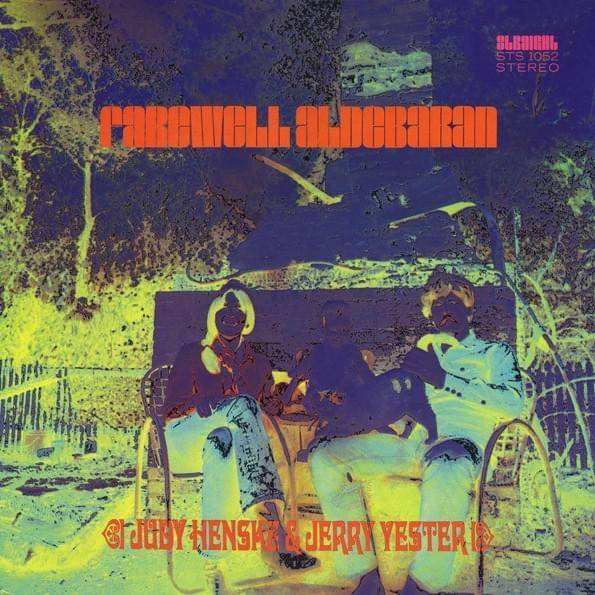
 View Artist