Song Meaning
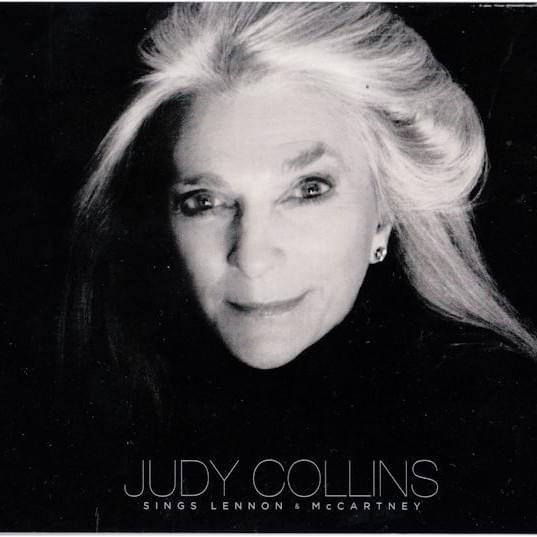
Judy Collins' interpretation of "Yesterday" isn't just a cover; it's a masterclass in melancholic resignation. The song, already steeped in regret, becomes almost unbearable in Collins' hands. The initial lines, "Yesterday all my troubles seemed so far away / Now it looks as though they're here to stay," aren't just a lament; they're a brutal acknowledgement of a permanent shift. It's the dawning realization that the past wasn't just different; it was fundamentally better, and that idealized past is now irrevocably lost. Collins sings the line with a world-weariness that suggests she understands this loss isn't a temporary setback but a life sentence.
The core of the song meaning lies in the abrupt transition from ease to anguish. "Yesterday love was such an easy game to play / Now I need a place to hide away" isn't merely about romantic disappointment; it’s about the shattering of naiveté. The singer's need to "hide away" speaks volumes about the psychological toll of this disillusionment. It’s not just heartbreak; it’s a fundamental loss of innocence, a recognition that the world isn’t as simple or as forgiving as it once seemed. The repetition of these lines reinforces the cyclical nature of regret, the feeling of being trapped in a loop of what-ifs.
Ultimately, Collins' rendition highlights the universal human tendency to romanticize the past, especially when grappling with present-day pain. The repeated plea, "I believe in yesterday," isn't necessarily a statement of faith, but rather an admission of defeat. It's a surrender to the allure of a bygone era, a desperate attempt to find solace in a memory, even if that memory is tinged with the very regret that fuels the song's sorrow. The song meaning becomes a poignant exploration of memory, loss, and the enduring power of the past to haunt the present.
 View Artist