Song Meaning
Judy Collins's "Vietnam Love Song" isn't a love song in the traditional sense; it's a lament, a stark and repetitive dirge that equates romantic loss with the devastating impact of the Vietnam War. The opening lines, a blunt declaration of death at various battle sites, set the stage for a chilling exploration of grief. But whose grief is it? The genius lies in the ambiguity. Is it the grief of a lover for a soldier, or is it the grief of a nation for its lost innocence, its lost boys? The litany of battles becomes a metonym for the entire conflict, each name a fresh wound. The repetition underscores the sheer volume of loss, the relentless drumbeat of death echoing across the American landscape. The sparseness of the lyrics amplifies the emotional weight. Collins avoids sentimental details, instead focusing on the brutal reality of death in its myriad forms: "Died in silence, died hating, died loving."
The second verse moves beyond specific battles to paint a broader picture of the war's insidious reach. The locations – jungle undergrowth, rushing river, railroad bridge – suggest the pervasive nature of the conflict, its ability to seep into every corner of the Vietnamese terrain and, by extension, the American psyche. The varied circumstances of death – "so suddenly, died so gradually" – highlight the capricious nature of war, the way it snatches life without warning or reason. This randomness is a crucial element of the song's power, capturing the senselessness that fueled so much anti-war sentiment.
The final verse introduces a jarring twist: "My lover is alive / My lover, Vietnam." This is where the song transcends simple mourning and enters the realm of political commentary. The identification of Vietnam as the 'lover' suggests a complex relationship, one of both attraction and repulsion, domination and destruction. It's a recognition that the war wasn't just a series of battles, but a deeply personal and transformative experience for all involved, irrevocably shaping the American identity. The idea of Vietnam as a lover, even a dead one, forces a confrontation with the uncomfortable truth of American involvement, the possessive and ultimately destructive nature of the nation's foreign policy. The war becomes a broken love affair, a betrayal of ideals, leaving behind only scars and unanswered questions.
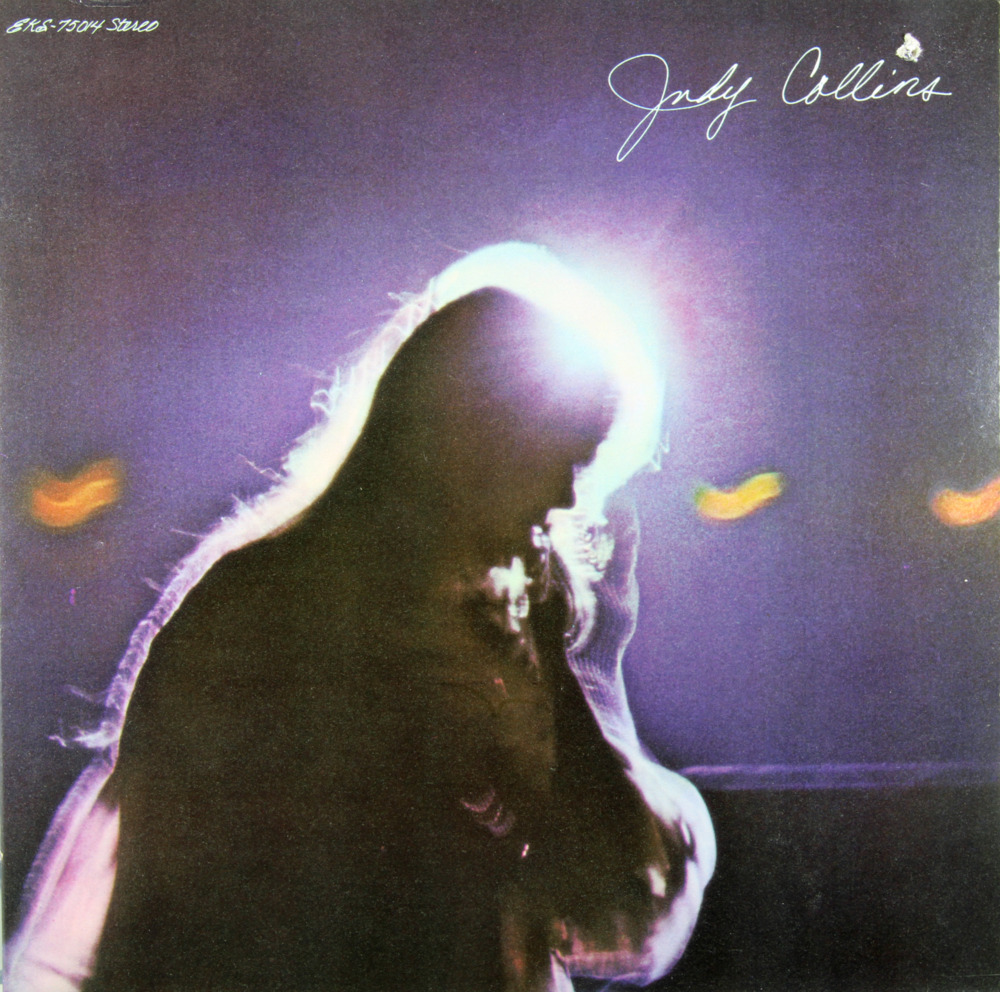
 View Artist