Song Meaning
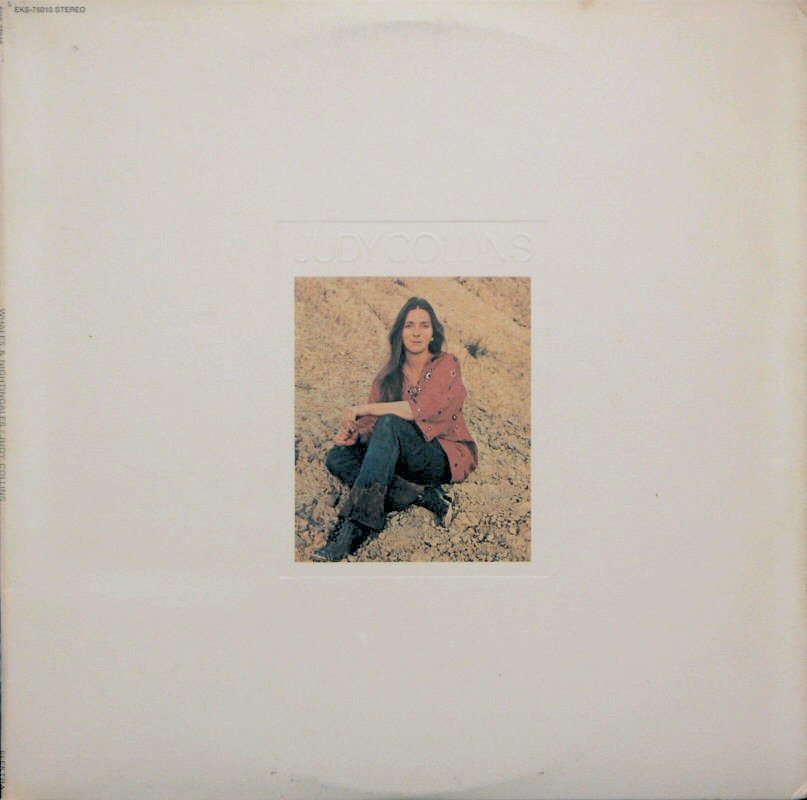
Judy Collins's rendition of "Time Passes Slowly" drifts with the gentle resignation of a half-remembered dream. It's less a song and more a sustained mood, a feeling of suspended animation. The lyrics paint a portrait of rural tranquility, where days unfold without urgency. The opening lines establish this languid pace, placing us in a mountain idyll of bridges, fountains, and clear streams. But this isn't just pastoral bliss; it's a carefully constructed emotional landscape. The repeated assertion that "time passes slow when you're lost in a dream" suggests a deliberate retreat from the sharp edges of reality, a yearning for escape. The idyllic imagery masks a deeper, perhaps melancholic, undercurrent. The reference to a past sweetheart adds a layer of wistful longing. The kitchen scene, with mama cooking and stars overhead, evokes a sense of lost innocence and simpler times. The search for love, though presented in a seemingly innocent context, hints at an unfulfilled desire, a reason for seeking refuge in the slow, deliberate rhythm of mountain life.
The central verse, with its repeated negation ("Ain't no reason to go..."), is the emotional core of the song. It's a rejection of ambition, movement, and perhaps even purpose. This isn't just about enjoying the scenery; it's about actively choosing to remain still, to resist the pull of the outside world. It speaks to a deeper weariness, a sense of having nowhere to go and nothing to strive for. Collins's delivery reinforces this sense of quiet resignation, transforming the song into a meditation on the passage of time and the choices we make about how to spend it.
The final verse returns to the imagery of daylight and the struggle to "stay right," but there's a subtle shift in tone. The cloud that covers the day suggests an encroaching darkness, a reminder that even in this carefully curated sanctuary, time continues its relentless march. The closing line, "Time passes slow and then fades away," acknowledges the ultimate impermanence of everything, even the slowest, most cherished moments. "Time Passes Slowly," through Collins's interpretation, becomes an exploration of the human desire for peace, the pain of lost love, and the inevitability of fading away. It's a beautiful, haunting reminder that time, whether we embrace it or resist it, continues its steady, inexorable flow.
 View Artist