Song Meaning
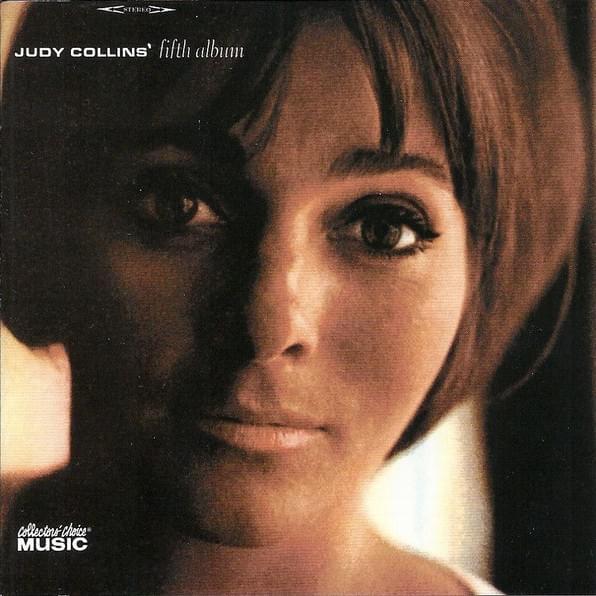
Judy Collins's "The Coming of the Roads" isn't just a lament; it's a psychological autopsy of a relationship and a landscape ravaged by progress. The song meaning hinges on the stark contrast between a shared, natural past and a corrupted, industrialized present, symbolized by the literal and metaphorical 'roads' that tear through both the environment and the bond between two people. The opening verses establish a sense of betrayal: 'How come it's you that's a-going / And I'm left all alone by myself?' This isn't merely abandonment; it’s a severing of ties to a shared identity rooted in a specific place and way of life. The 'cool caverns' and 'forest of green' represent an idyllic, almost Edenic past, shattered by the arrival of the road—a symbol of outside influence and the lure of something 'new.'
Collins subtly explores the psychological shift within the departing lover. Initially, there's shared resentment towards those who exploit the land: 'You used to curse the bold crewmen / Who stripped our earth of its ore.' But the allure of wealth and the changing landscape prove too strong. The lover 'changed and...gone over to them,' adopting the values they once despised. This internal conflict—the abandonment of deeply held beliefs for personal gain—is a core element of the song's tragedy. It mirrors the larger environmental destruction, where 'ancient poplar and oak' are sacrificed for the sake of progress.
The recurring phrase, 'the coming, the coming of the roads,' acts as both a literal explanation and a scapegoat. It's not just the physical roads that are to blame, but the entire system of values they represent. The speaker's inability to separate their personal loss from the environmental degradation highlights the interconnectedness of human relationships and the natural world. In essence, “The Coming of the Roads” explores themes of environmentalism, betrayal, and the loss of innocence in the face of industrialization, all filtered through the lens of a deeply personal heartbreak. The 'roads' become a symbol of irreversible change, leaving the speaker to grapple with a world irrevocably altered and a love that has vanished along with it.
 View Artist