Song Meaning
Judy Collins' "Since You've Asked" isn't just a love song; it's a manifesto of vulnerability, a laying bare of the soul offered not as a demand, but as a gift. The opening line, a deceptively simple "What I'll give you, since you've asked," immediately establishes a dynamic of reciprocity. The speaker isn't compelled, but rather responding to a direct inquiry, a courageous act of emotional exposure. What follows isn't a list of material possessions, but rather an offering of lived experience: "the rugged sunny days, the warm and rocky weather." This speaks to a relationship built not on idealized romance, but on shared resilience, weathering life's inevitable storms together. It’s about offering the totality of one's being, flaws and all, understanding that true connection lies not in perfection, but in authentic shared journey. The lyrics suggest a past filled with introspection ("roads that I have walked along / Looking for tomorrow's time / Peace of mind") implying the singer has been on a journey of self-discovery.
The imagery in the second verse, particularly "As my life spills into yours / Changing with the hours / Filling up the world with time / Turning time to flowers," evokes a sense of transformative intimacy. The spilling suggests a surrendering of boundaries, a willingness to merge identities. The idea of time being turned into flowers is particularly potent, suggesting the relationship is not just consuming time, but transmuting it into something beautiful and enduring. The line "I can show you all the songs / That I never sang to one man before" hints at a guarded past, a reserve now being shed for this particular connection. These lines reveal the depth of trust being placed in the recipient of this offering.
The bridge functions as an affirmation of shared history and commitment: "We have seen a million stones lying by the water / You have climbed the hills with me to the mountain shelter." These aren’t casual observations; they are markers of shared experiences, of navigating both the mundane and the challenging aspects of life. The final verse, with its invocation of "lilies and the lace / From the days of childhood," suggests a willingness to share the most vulnerable parts of oneself, the formative experiences that have shaped identity. The concluding lines, "This is what I give / This is what I ask you for / Nothing more," underscore the song's central theme: the profound power of reciprocal vulnerability. It is a love that asks for no grand gestures, only the same honesty and openness that is being offered.
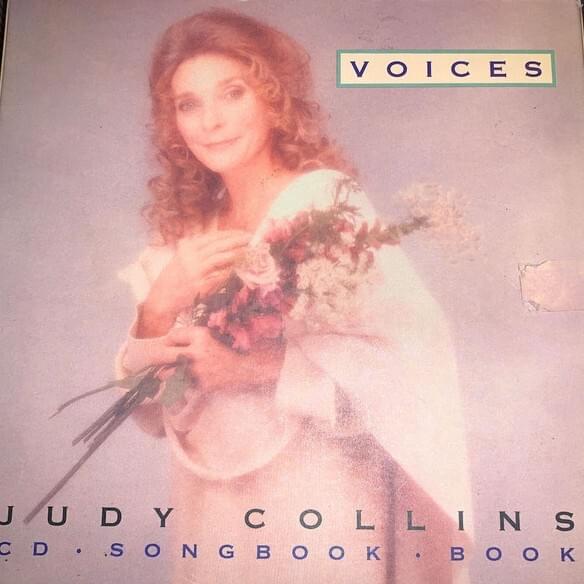
 View Artist