Song Meaning
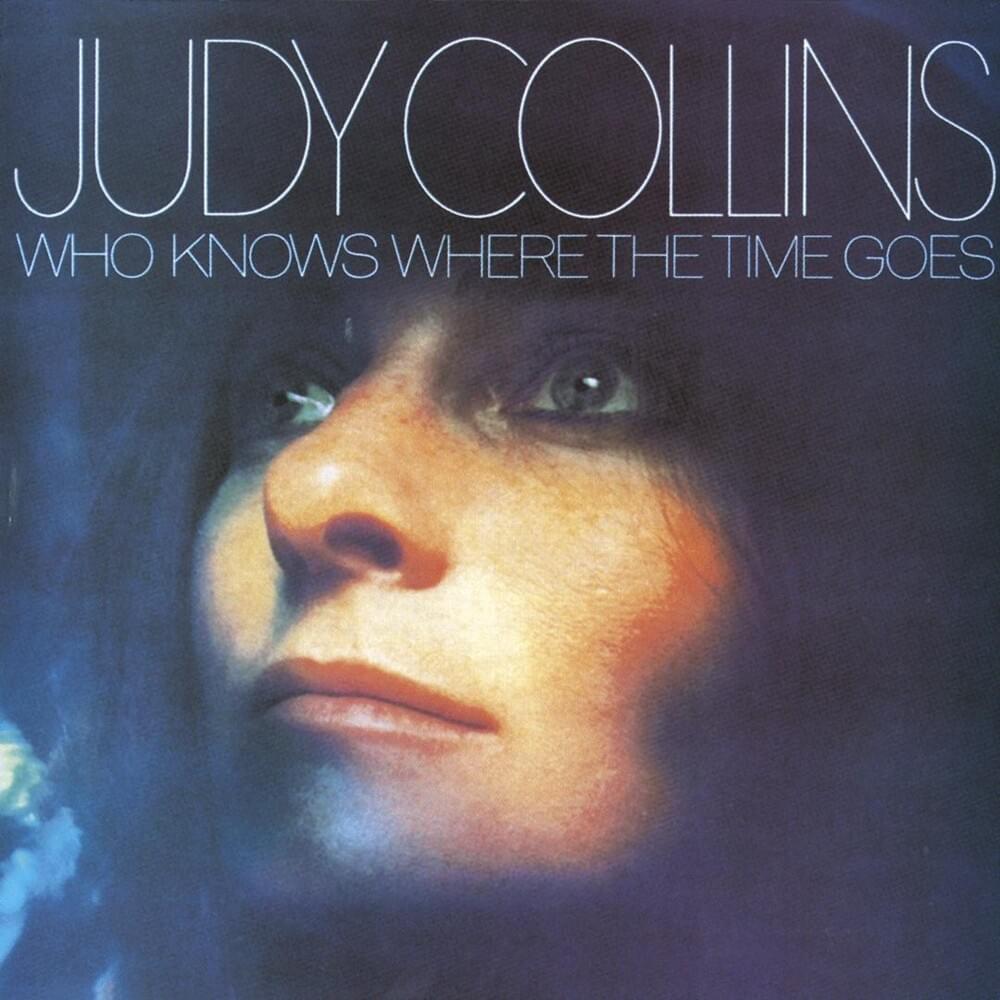
Judy Collins' interpretation of "Poor Immigrant" is a somber meditation on displacement, disillusionment, and the corrosive effects of misplaced ambition. It's not a geographical lament, but a psychological portrait – an exploration of the immigrant experience as a metaphor for the human condition. The 'poor immigrant' isn't just someone crossing borders; it's anyone chasing a mirage, sacrificing their values for a hollow promise. Collins doesn't offer simple sympathy; instead, she casts a critical eye on the self-destructive tendencies that can accompany the pursuit of the so-called American Dream.
The song's power lies in its bleak honesty. Lines like 'Who uses all his power to do evil / But in the end is always left so alone' paint a picture of someone consumed by their ambition, willing to compromise their integrity for fleeting gains. There's a palpable sense of despair in the description of someone 'Who passionately hates his life / And likewise, fears his death,' suggesting a profound existential crisis fueled by a life lived without purpose or genuine connection. The repeated refrain, 'I pity the poor immigrant,' isn't just an expression of sorrow, but a warning about the potential pitfalls of prioritizing material wealth over spiritual fulfillment.
Ultimately, "Poor Immigrant" serves as a cautionary tale about the dangers of losing oneself in the pursuit of external validation. The image of someone 'Who falls in love with wealth itself / And turns his back on me' speaks to the isolating nature of greed and the profound emptiness that can result from prioritizing material possessions over human relationships. The song's concluding lines, 'Whose visions in the final end / Must shatter like the glass,' underscore the fragility of dreams built on shaky foundations, suggesting that true happiness cannot be found in the relentless pursuit of worldly success. It's a sobering reflection on the human cost of ambition and the importance of staying true to one's values in the face of temptation.
 View Artist