Song Meaning
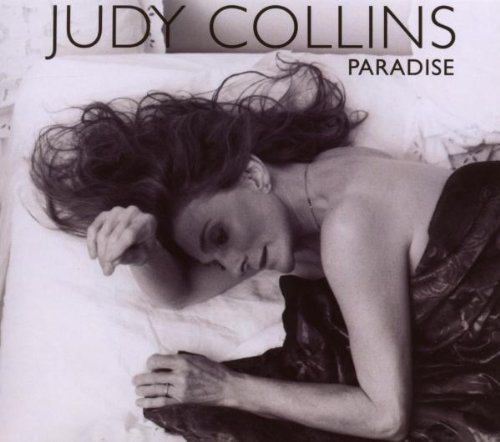
Judy Collins's rendition of "Over the Rainbow" isn't just a cover; it's a masterclass in wistful longing, amplified by Collins's signature crystalline vocals. The song, already steeped in childhood fantasy, becomes a poignant adult yearning for escape. It's not merely about a literal rainbow or a physical place, but a psychological space where anxieties dissolve, 'where troubles melt like lemon drops.' This speaks to a universal desire for a sanctuary from the harsh realities of life, a concept deeply rooted in escapism as a coping mechanism.
The genius of Collins's interpretation lies in its understated delivery. The lyrics, simple on the surface, hint at a deeper dissatisfaction. The repeated phrase 'dreams that you dare to dream really do come true' juxtaposed with the questioning 'why, oh why can't I?' exposes a vulnerability. It's the eternal question of self-doubt, the nagging feeling that happiness is attainable for others but remains elusive for oneself. This resonates particularly with listeners who grapple with anxiety or depression, finding solace in the shared human experience of yearning.
Ultimately, Collins transforms "Over the Rainbow" from a children's tune into an anthem for the melancholic dreamer. The 'land that I heard of once in a lullaby' isn't just Oz; it's a metaphor for the idealized past, a time before disillusionment set in. The song's meaning, therefore, transcends simple optimism. It's a recognition of the enduring power of hope, even when tinged with a profound awareness of life's inherent disappointments. The act of wishing upon a star becomes, in itself, a form of resistance against despair.
 View Artist