Song Meaning
Judy Collins's "Once I Was" isn't just a lament; it's a post-mortem on a relationship, dissected with the precision of a seasoned surgeon. The song meaning hinges on the speaker's past roles – soldier, hunter, lover – each a representation of effort and sacrifice offered to the object of their affection. These roles, traditionally masculine and protective, crumble under the weight of present-day disillusionment. The subtle sting lies in the anticipation of being painted a liar by a future lover, suggesting a cyclical pattern of idealization and eventual dismissal. This isn't merely about being forgotten; it's about being actively rewritten, erased from the narrative altogether.
The core of "Once I Was" beats with a quiet, aching vulnerability. The repeated question, "Will you remember me?" isn't a desperate plea, but a melancholic musing on the ephemerality of connection. It acknowledges the inherent human fear of being rendered insignificant in the lives of those we once deeply touched. The shift from declarative statements of past actions to hesitant questioning reveals a profound shift in power dynamics. The speaker no longer defines the relationship; they are now at the mercy of the other person's memory.
While the relationship may be reduced to "rubbish dreams" in the other's mind, the speaker is left sifting through the emotional wreckage. This isn't a quest for reconciliation, but a somber archeological dig. The search through "ashes of our ruins" for remnants of joy – "the days when we smiled" – speaks to the enduring power of nostalgia, even in the face of heartbreak. The contrasting imagery of wildness and silence – "hours that ran wild" versus "silence of our words" – encapsulates the paradoxical nature of intimacy, where unspoken understanding can be as potent as passionate expression. Ultimately, "Once I Was" is a study in how love's grand gestures can fade into quiet, haunting echoes.
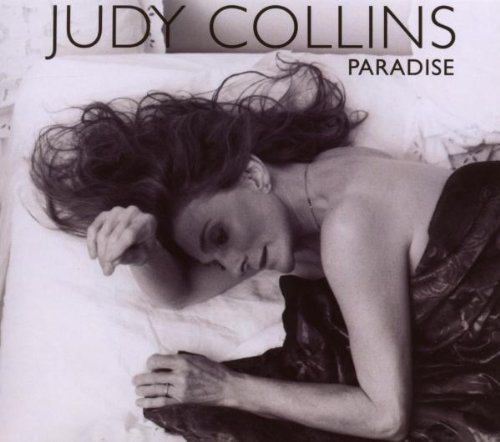
 View Artist