Song Meaning
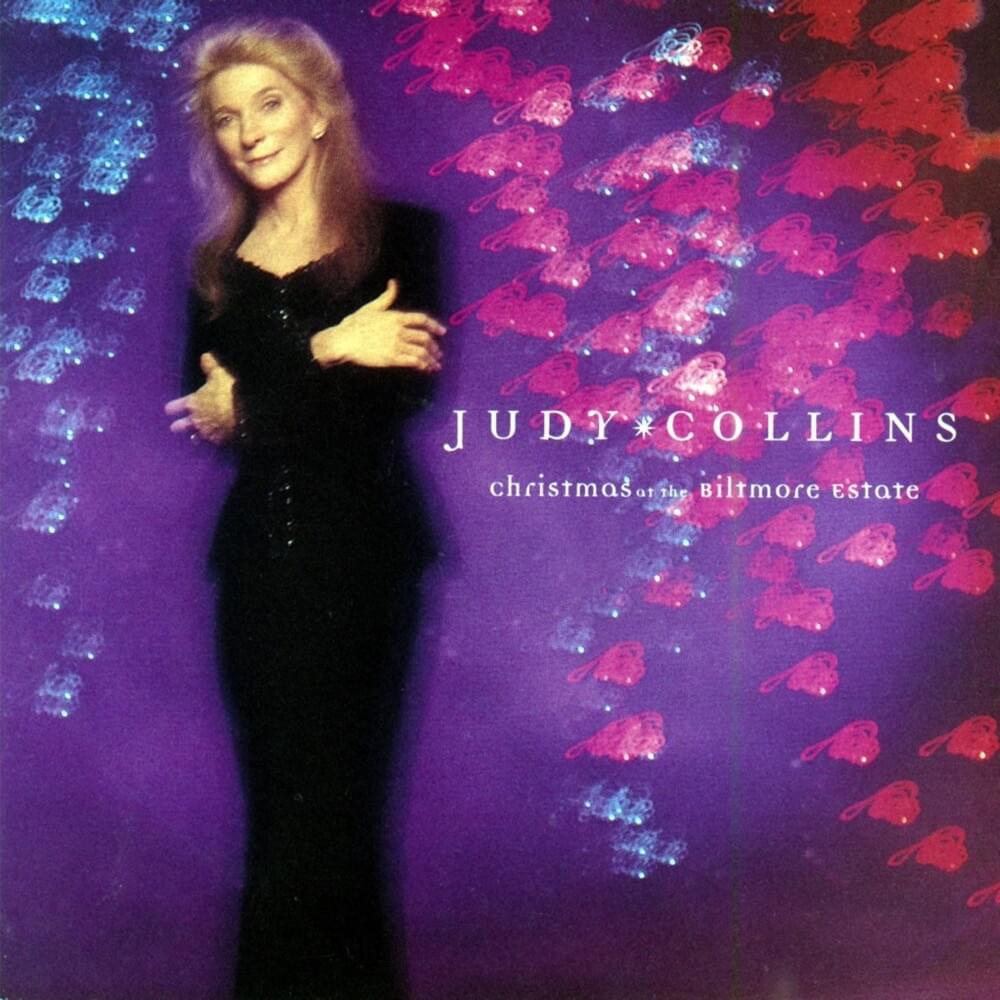
Judy Collins' rendition of "O Come, All Ye Faithful" transcends mere carol; it's a masterclass in communal reverence. The song's power lies not just in its familiar melody, but in its insistent invitation: "O come, let us adore him." This isn't a passive observation of faith; it's an active, participatory experience. The lyrics pull us into a collective act of worship, erasing individual anxieties in a shared moment of spiritual recognition. The psychological impact is profound. It's an appeal to our innate desire for belonging, for finding solace and strength in numbers. The repeated call to 'adore' acts as a mantra, guiding listeners towards a state of collective effervescence, a Durkheimian concept where shared emotions amplify individual feelings of devotion.
The lyrics themselves paint a vivid picture of the Nativity, moving from the angelic proclamation to the humble shepherds drawn to the manger. The line "Leaving their flocks, draw nigh with lowly fear" is particularly evocative, highlighting the inherent paradox of faith: a blend of awe and vulnerability. Collins' interpretation doesn't shy away from this complexity. Instead, it embraces the human element, acknowledging our imperfections and fears while still urging us towards adoration. It’s a recognition that faith isn't about perfection, but about the willingness to approach something greater than ourselves with humility and an open heart.
Ultimately, the enduring appeal of "O Come, All Ye Faithful" – and Collins' version specifically – stems from its ability to tap into our deepest psychological needs for connection, meaning, and transcendence. It’s a reminder that even in the darkest of times, there is always the possibility of hope and renewal. The song's repeated invocation, "Christ the Lord," serves as both a declaration of faith and a grounding force, anchoring us in the present moment while simultaneously lifting us towards something eternal. It's a communal experience, a shared expression of joy and reverence that transcends individual beliefs and unites us in a collective act of adoration.
 View Artist