Song Meaning
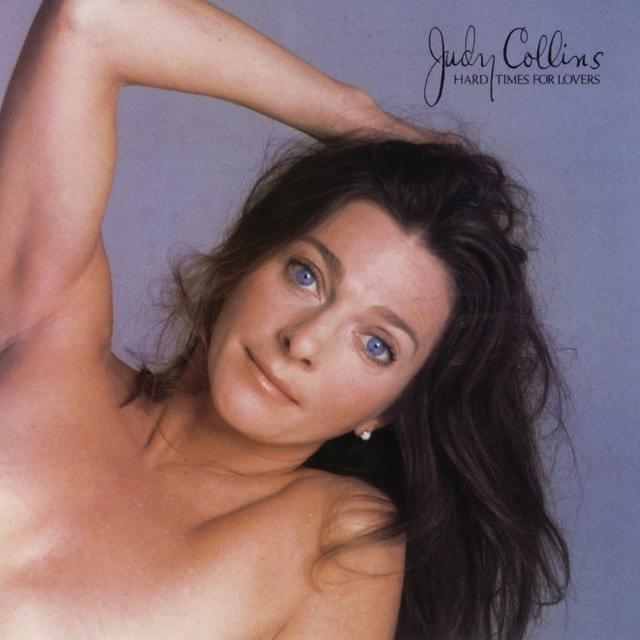
Judy Collins' "Marie" isn't just a love song; it's a raw, almost brutally honest confession filtered through the haze of intoxication. The opening lines, painting Marie as a princess, sets a fairytale stage, a romantic ideal. But this initial image quickly dissolves into something far more complex and flawed. The singer's declaration of being drunk isn't an apology, but rather a justification, a shedding of inhibitions to reveal a truth perhaps too painful to confront sober. The repetition of "I loved you the first time I saw you / And I always will love you Marie" becomes less a testament to enduring love and more a desperate mantra, a shield against the self-awareness that follows.
The core of the song meaning lies in the stark contrast between the idealized Marie and the singer's own failings. The metaphors used to describe Marie – song, flower, river, rainbow – are classic romantic tropes, elevating her to an almost mythical status. Yet, these are juxtaposed with admissions of personal weakness: being "crazy," "weak," "lazy," and causing Marie pain. The most damning lines are those acknowledging his emotional absence: "I don't listen to a word you say / When you're in trouble I just turn away." These aren't the words of a devoted lover, but of someone deeply aware of their own shortcomings in the relationship.
"Marie" becomes a study in cognitive dissonance, the uncomfortable tension between holding positive feelings (love) and engaging in negative behaviors (neglect, avoidance). The intoxication acts as a catalyst, allowing the singer to voice these contradictions, but doesn't absolve him of responsibility. The Judy Collins song leaves the listener pondering the nature of love itself: Can love truly exist alongside selfishness and neglect? Is the singer's declaration of eternal love a genuine commitment, or a self-serving attempt to alleviate his own guilt? The lack of resolution in the lyrics only amplifies the song's unsettling and profoundly human quality.
 View Artist