Song Meaning
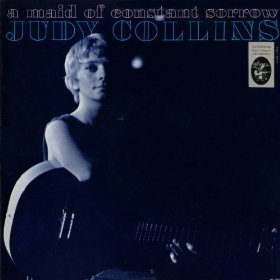
Judy Collins' haunting rendition of "Maid of Constant Sorrow" isn't just a folk lament; it's a stark portrayal of resilience forged in the crucible of relentless hardship. The song meaning resides not in the simple recitation of sorrow, but in the quiet defiance that underscores every verse. The opening lines, "I am a maid of constant sorrow / I've seen trials all of my days," are a declaration, not a plea. It's a statement of identity, shaped by enduring pain, but not defined by it. The lyrics suggest a journey, both physical and spiritual, fueled by a desire for solace and a return to a place of origin, a California that represents a fragmented yet formative past. This return is less about geographical relocation and more about reclaiming a piece of the self.
The recurring motif of travel – "All through this world I'm bound to ramble" – speaks to a deeper restlessness, a search for belonging in a world that offers little comfort. The imagery of sun, wind, and driving rain evokes the relentless nature of life's challenges, yet the singer remains resolute, "bound to ride the western railway." This isn't passive resignation; it's an active pursuit of something better, a stubborn refusal to be defeated by circumstance. The mention of "God's golden shore" adds a layer of spiritual yearning, a hope for ultimate peace and resolution beyond the earthly realm. This subtle invocation provides a counterpoint to the earthly struggles, imbuing the song with a sense of hope.
Ultimately, Collins' interpretation of "Maid of Constant Sorrow" transcends the traditional folk ballad. It becomes a powerful meditation on the human spirit's capacity to endure, adapt, and seek solace amidst perpetual adversity. The "sorrow" is constant, yes, but so is the will to navigate it, to find a path forward, whether on a western railway or towards a metaphorical golden shore. The song's emotional core lies in this tension, this unwavering commitment to self-preservation in the face of relentless trials.
 View Artist