Song Meaning
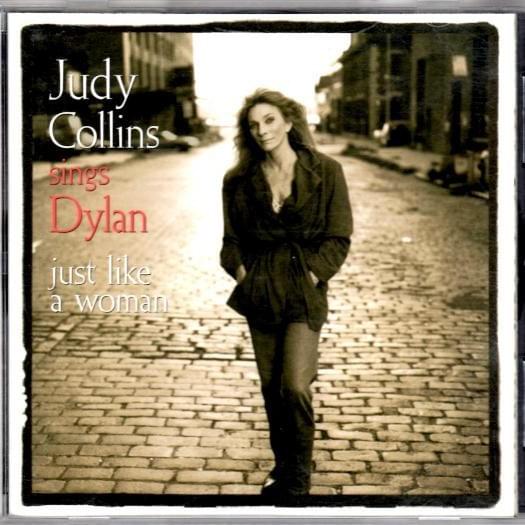
Judy Collins' interpretation of Bob Dylan's "Love Minus Zero/No Limit" isn't just a cover; it's a masterclass in understanding the subtle anxieties beneath Dylan's surreal romanticism. The song, ostensibly a love song, operates on a series of contrasts, pitting the singer's enigmatic love against a world obsessed with superficiality and performative affection. Collins, with her crystalline soprano, emphasizes the quiet strength and knowing detachment of the 'love' at the song's core. She isn't swept up in grand gestures (“People carry roses / Make promises by the hours”), but embodies a deeper, more authentic connection. This isn't a love defined by societal expectations; it exists outside the transactional nature of “Valentines” and the hollow pronouncements echoing in “dime stores and bus stations.”
The genius of "Love Minus Zero/No Limit" lies in its depiction of a world saturated with information and yet starved of genuine understanding. The "people talk of situations / Read books, repeat quotations / Draw conclusions on the wall" segment highlights a culture of imitation and superficial analysis. In contrast, the singer's love speaks "softly," possessing an intuitive understanding that transcends intellectualization. The repeated assertion that "there's no success like failure / And that failure's no success at all" suggests a rejection of conventional metrics and a recognition of the inherent absurdity of striving for external validation. This embrace of paradox is central to the song's meaning, highlighting the limitations of a world obsessed with binary outcomes.
Collins' delivery amplifies the underlying sense of vulnerability that exists even within this portrait of detached knowing. The final verse, with its image of the love as a "raven / At my window with a broken wing," introduces a poignant element of fragility. This isn't a love that's invulnerable, but one that's wounded and perhaps even dependent. The broken wing suggests a shared sense of imperfection and a recognition that even the most self-assured individuals carry their own burdens. Ultimately, the song's meaning resides in this delicate balance between knowing detachment and quiet vulnerability, a testament to the complexities of human connection in a world increasingly defined by noise and pretense.
 View Artist