Song Meaning
Judy Collins's "Innisfree" isn't just a song; it's a sonic yearning for escape, a delicate unpacking of the human need for solace. The lyrics, borrowed from William Butler Yeats's poem, paint a vivid picture of Innisfree as an idyllic retreat, far removed from the "pavements grey" of urban life. The singer doesn't just want a cabin; they crave a fundamental shift in sensory experience, trading the harsh realities of modern existence for the gentle rhythms of nature. The nine bean-rows and honeybee hive aren't about self-sufficiency; they represent a return to a simpler, more elemental way of being. It's a primal desire, not a practical plan. The repetition of "I will arise and go now" underscores the urgency of this longing, suggesting a deep-seated dissatisfaction with the present.
The genius of the song lies in its understanding of peace, not as a sudden arrival, but as something that "comes dropping slow." This isn't about instant gratification; it's about the gradual accumulation of tranquility, a process that unfolds with the rising and setting of the sun, the chirping of crickets, and the flight of linnets. The images—"midnight's all a glimmer, and noon's a purple glow"—suggest a world saturated with beauty, where even the passage of time is experienced as a form of aesthetic pleasure. This carefully constructed atmosphere acts as a balm to the soul, a counterpoint to the anxieties and pressures of contemporary life.
Ultimately, "Innisfree" speaks to the universal human desire for a sanctuary, a place where the noise of the world fades into the background and the voice of the "deep heart's core" can finally be heard. The lapping lake water becomes a constant, almost meditative, presence, a reminder of the peace that awaits those who are willing to seek it. It's a powerful reminder that even in the midst of the "pavements grey," the possibility of escape—if only in the imagination—remains a vital source of hope and resilience.
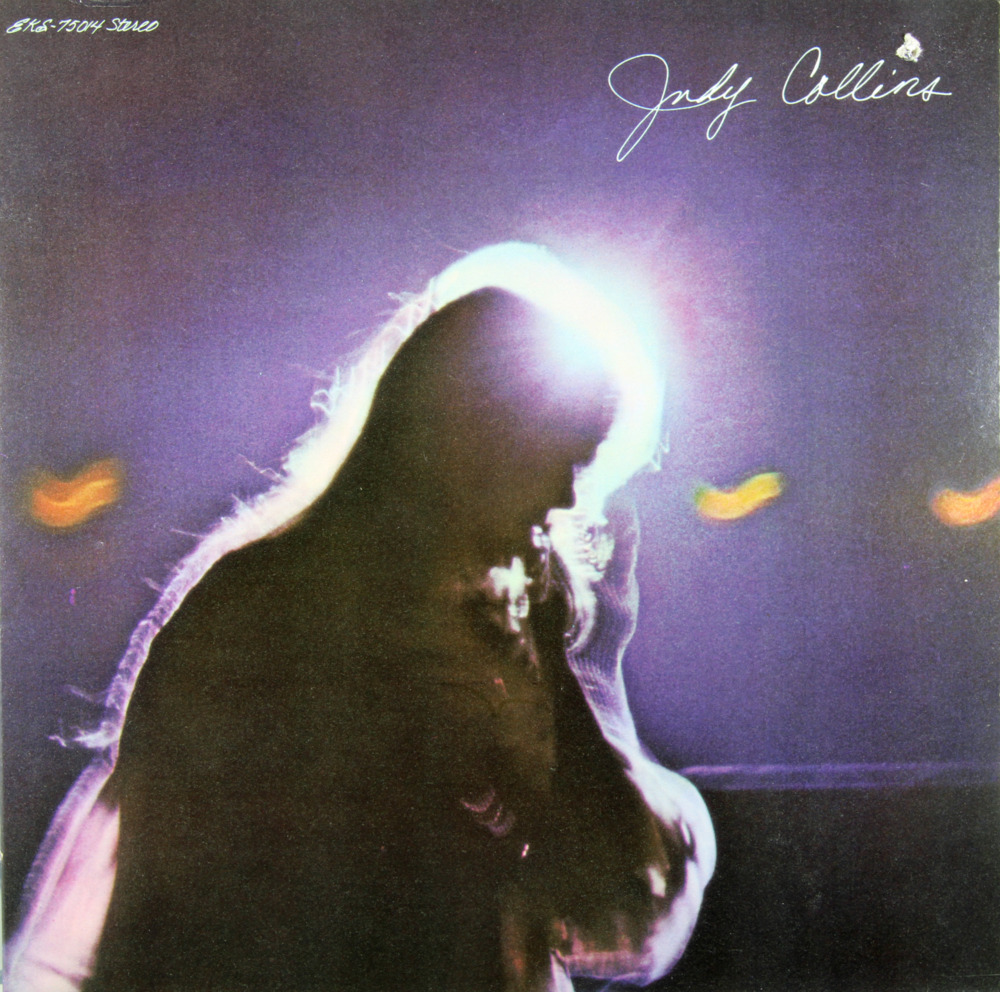
 View Artist