Song Meaning
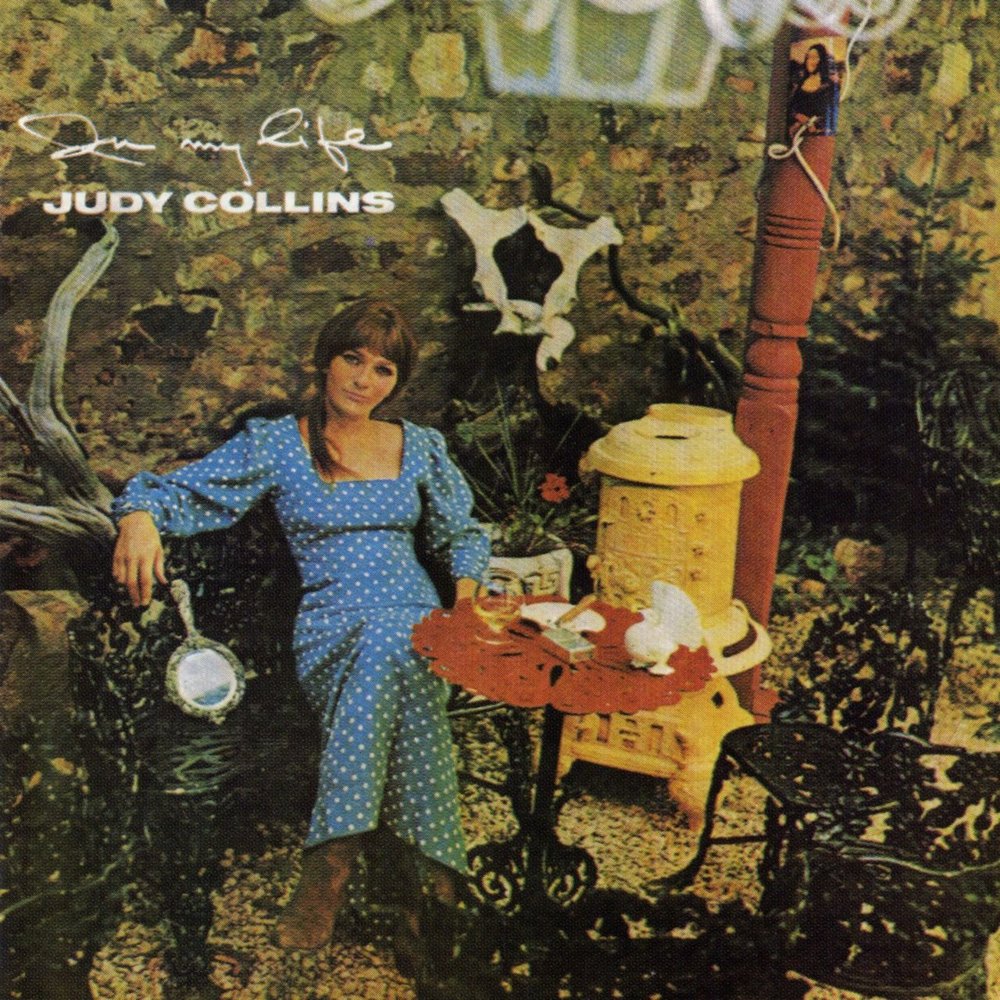
Judy Collins' rendition of "In My Life" isn't merely a stroll down memory lane; it's a carefully constructed monument to the evolving nature of love and commitment. The opening verses establish a landscape populated by ghosts of relationships past – places and faces that, while significant, exist primarily as echoes. Collins doesn't dismiss these figures; instead, she acknowledges their formative influence, the 'meanings' they imprinted on her journey. There’s a bittersweet recognition that time alters everything, some changes for the worse, some simply fading away. The psychological undercurrent here is the human need to categorize and contextualize experience, to build a coherent narrative of the self.
The song pivots sharply when the present love enters the frame. This isn't just an upgrade; it's a paradigm shift. The singer declares that past memories 'lose their meaning' in the face of this new love. It's a bold, almost ruthless assertion. The 'new' love isn't built on the foundation of past loves, but transcends them. It suggests a capacity for growth and a willingness to prioritize the present. While affection for the past persists, it takes a definitive second place. This isn't about forgetting, but about re-prioritizing emotional investment.
The final verse reinforces this hierarchy. Collins acknowledges the persistent pull of nostalgia, the inevitable 'stop and think' moments dedicated to what came before. Yet, this nostalgia doesn't diminish the intensity of her current love. The repetition of 'In my life, I love you more' isn't just a declaration; it's a constant re-evaluation, a conscious choice to place the present relationship at the emotional center. The song, therefore, becomes an anthem of mature love: one that honors the past without being chained to it, and embraces the present with unwavering devotion.
 View Artist