Song Meaning
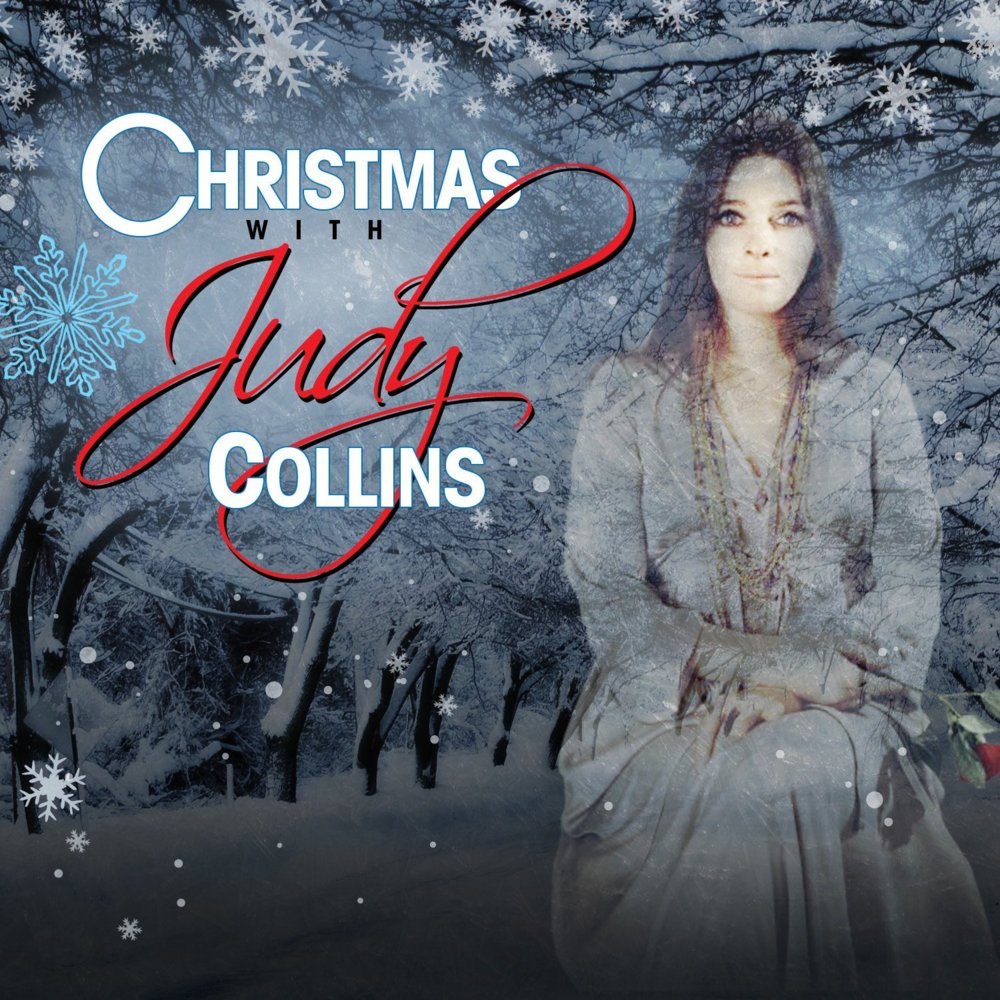
Judy Collins' rendition of "I'll Be Home for Christmas" transcends mere holiday cheer, instead becoming a poignant exploration of longing and the psychological weight of absence. The opening lines immediately establish a sense of yearning, a dream of a cherished place intensified by distance – whether physical, emotional, or both. It's not simply a wish to return; it's a confession of a deeper need, a craving for the security and comfort associated with 'home.' The promise, "I'll be home for Christmas / You can count on me," carries a heavy undercurrent of uncertainty, a fragile vow made against a backdrop of unknown obstacles.
The specific requests – "Please have snow / And mistletoe / And presents under the tree" – are not trivial details but rather carefully chosen symbols of a perfect, idealized Christmas. They represent a desperate attempt to recreate a specific memory, a past happiness that might be irretrievable. The repetition of these lines emphasizes their importance, almost as if the speaker is trying to manifest this idyllic scene through sheer will. The "love light" isn't just a festive decoration; it's a beacon, a symbol of hope and connection in the face of potential isolation.
The final, haunting qualification – "If only in my dreams" – unveils the song's true depth. It acknowledges the harsh reality that the promise of returning home might be impossible to fulfill. This line isn't just a concession; it's a raw, vulnerable admission of the speaker's potential failure to overcome whatever forces keep them away. The repeated phrase underscores the idea that 'home' might now exist solely as a mental construct, a refuge built from memory and imagination rather than a tangible place. Ultimately, Judy Collins’ interpretation casts "I'll Be Home for Christmas" as less of a cheerful carol and more of a bittersweet meditation on the enduring power – and the potential fragility – of hope.
 View Artist