Song Meaning
Judy Collins's "I Can't Cry Hard Enough" is a masterclass in understated grief, a poignant exploration of loss that resonates with a quiet, desperate ache. The song meaning isn't shrouded in complex metaphors; rather, it's laid bare in the raw simplicity of its central lament: the inability to adequately express the depth of sorrow felt after a significant departure. The opening lines, a promise to live each day as if it were the last, are not a celebration of life but a desperate attempt to make up for lost time, a recognition that a chapter has irrevocably closed "without a simple goodbye." This sets the stage for the core emotional conflict: the speaker's profound sense of helplessness in the face of overwhelming grief.
The recurring phrase, "I can't cry hard enough for you to hear me now," speaks volumes about the nature of grief itself. It acknowledges the futility of trying to bridge the gap created by absence, the agonizing realization that no amount of tears can undo the separation. The image of letting go of a kite, "like a child letting go of his kite," is deceptively simple yet powerfully evocative. It captures the feeling of helplessness as something precious drifts away, beyond reach and control, a symbol of innocence lost and the bittersweet acceptance that some things are destined to leave. The kite ascending "beyond the clouds" suggests a transcendence, perhaps even an acceptance of fate, but the lingering pain remains palpable.
Ultimately, "I Can't Cry Hard Enough" taps into the universal experience of loss and the struggle to find adequate expression for profound sorrow. The lyrics analysis reveals a profound understanding of the psychology of grief, where words often fail to capture the immensity of the emotion. The song's power lies in its vulnerability, its willingness to confront the uncomfortable truth that sometimes, no matter how hard we try, our grief remains an unbridgeable chasm. It is a testament to Judy Collins's ability to convey complex emotions with remarkable clarity and grace, offering solace to those who have also known the quiet desperation of unspeakable loss.
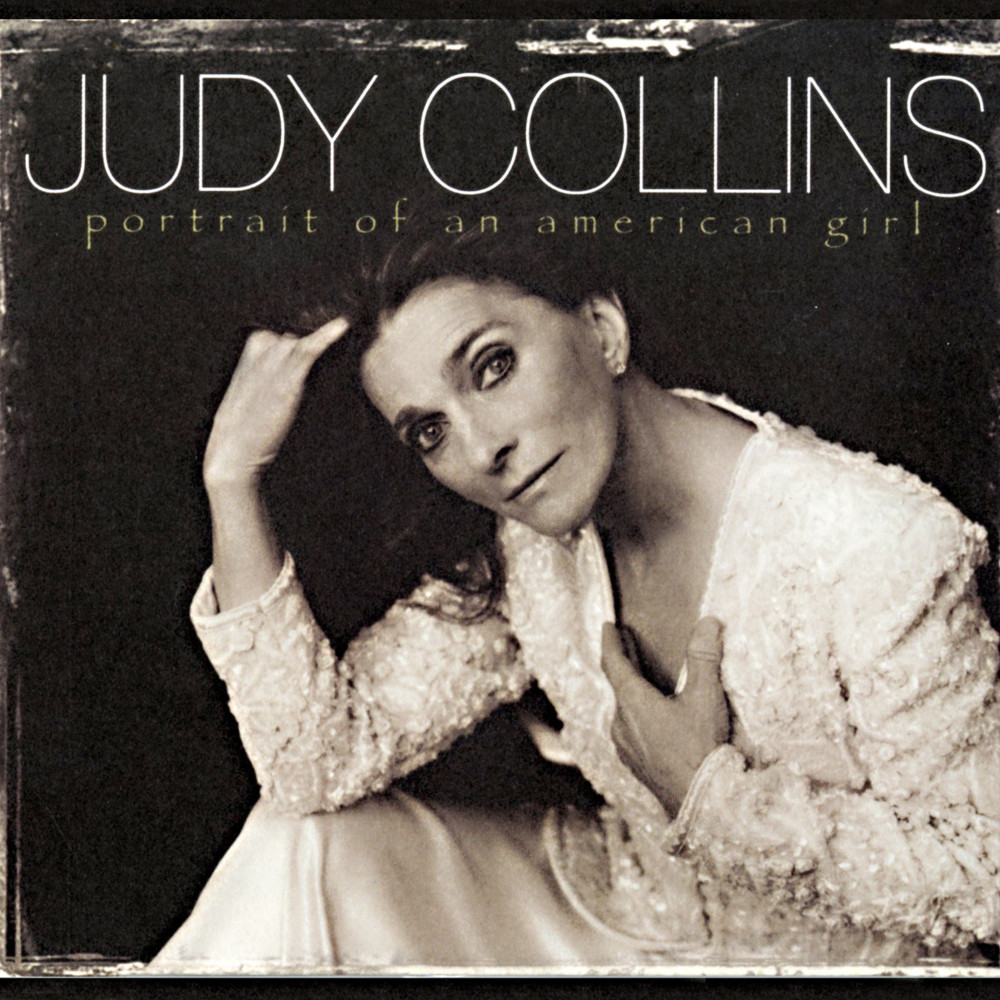
 View Artist