Song Meaning
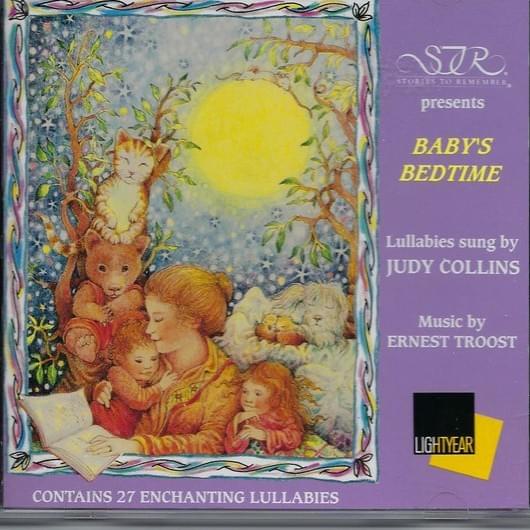
Judy Collins' rendition of "Hush, Little Baby" isn't a simple lullaby; it's a subtly unnerving commentary on conditional love and the endless, ultimately futile pursuit of happiness through material possessions. The escalating list of gifts – from a mockingbird to a diamond ring, a looking glass, and beyond – initially suggests maternal doting. But beneath the surface, a darker undercurrent flows. Each promise is contingent on the failure of the last, creating a cycle of disappointment and escalating expectations. The child is never simply loved, but rather pacified with objects, their affection seemingly dependent on the next shiny distraction. This transactional approach to love hints at a deeper insecurity, perhaps within the mother figure herself, who seeks to fill a void with material offerings rather than genuine emotional connection. The lyrics paint a portrait of a gilded cage, where comfort is readily available but genuine emotional fulfillment remains elusive.
Furthermore, the increasingly absurd nature of the gifts – progressing from birds and jewelry to farm animals – underscores the inherent instability of this materialistic approach. A looking glass that breaks, a billy goat that won't pull, a cart and bull that turn over: these are not just minor inconveniences, but symbolic representations of the fragility of external validation. The song's true subject is not the child, but the mother's anxiety and the desperate measures she takes to quell it. The final promise of a dog named Rover, while seemingly innocuous, continues this pattern; even a loyal companion becomes just another item on the list, a placeholder for genuine connection. The lullaby, therefore, transforms into a cautionary tale about the dangers of equating love with material wealth.
Ultimately, Judy Collins' interpretation of "Hush, Little Baby" exposes the hollow core of a consumerist approach to parenting. The song cleverly utilizes the familiar structure of a lullaby to highlight the subtle ways in which conditional love can be disguised as affection. It’s a stark reminder that true comfort and security cannot be bought, and that the endless pursuit of material possessions often serves only to mask deeper emotional needs. The enduring resonance of this song lies in its ability to tap into our collective anxieties about love, acceptance, and the elusive promise of happiness in a world obsessed with acquisition.
 View Artist