Song Meaning
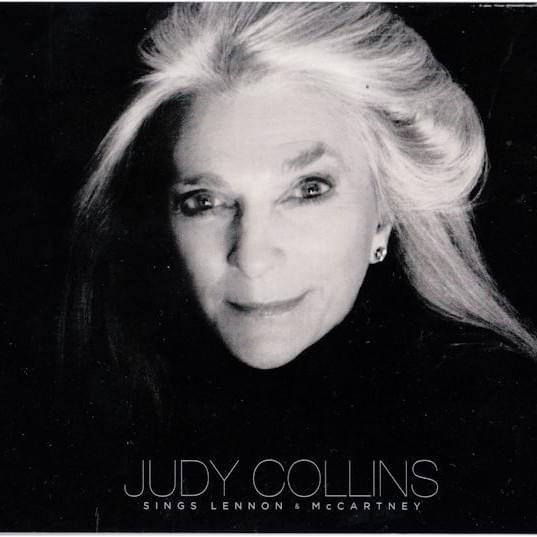
Judy Collins' rendition of "Golden Slumbers" isn't just a lullaby; it's a poignant exploration of longing and the bittersweet comfort found in nostalgia. The opening lines, "Once there was a way / To get back homeward," immediately establish a sense of displacement, hinting at a lost connection to a past, a place, or perhaps even a state of mind. This yearning for a return to innocence or a simpler time resonates deeply, especially in our increasingly complex world. The repetition emphasizes the intensity of this desire, a universal ache for something irretrievably gone. It speaks to the human condition, our inherent tendency to romanticize the past, even as we know it's beyond our reach. Is it a lost childhood, a failed relationship, or a former self that the singer is trying to recapture?
The core of the song pivots to the gentle reassurance of a lullaby. "Sleep, pretty darling / Do not cry / And I will sing a lullaby" offers solace, a temporary escape from the pain of that initial longing. The "golden slumbers" are not just about sleep; they symbolize a dream state filled with comfort and hope. The promise of "smiles await you when you rise" suggests a belief in a brighter future, a resilience in the face of sorrow. However, the lullaby itself is framed by the initial verses of longing, creating a tension between the desire for escape and the acknowledgement of an underlying sadness.
Ultimately, the power of "Golden Slumbers," especially as interpreted by Judy Collins, lies in its ability to hold both grief and hope in delicate balance. It acknowledges the reality of loss while simultaneously offering a tender, comforting embrace. The lullaby becomes a temporary refuge, a space where the listener can find peace, even if only for a fleeting moment, before returning to the complexities of the world and the persistent echo of "Once there was a way to get back home."
 View Artist