Song Meaning
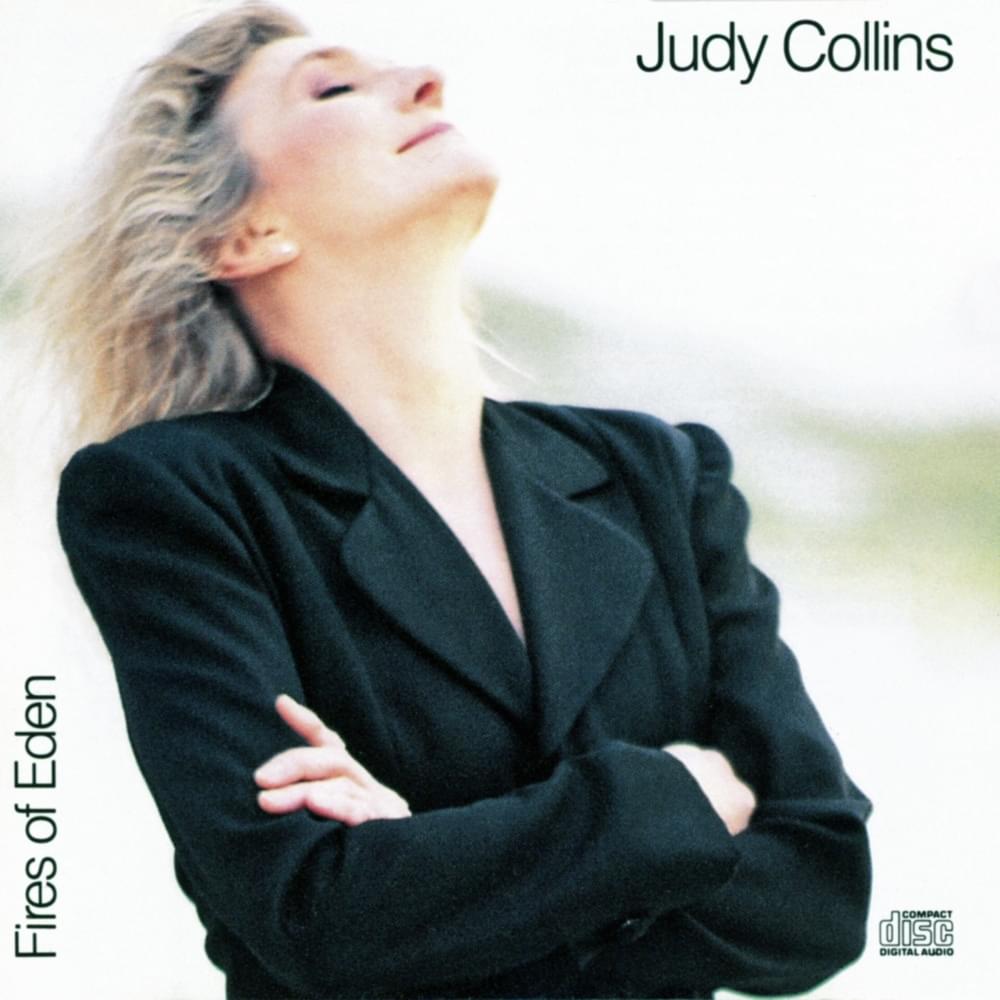
Judy Collins's "CUM TE CHEAMĂ?" isn't just a song; it's a chillingly beautiful thought experiment. The core concept—observing the world "from a distance"—immediately establishes a dichotomy between idealized perception and brutal reality. This distance isn't merely spatial; it's psychological, perhaps even spiritual. From afar, the earth is a harmonious tapestry of blue and green, snow-capped mountains, and eagles in flight. But this idyllic vision crumbles upon closer inspection, revealing the war, hunger, and disease that plague humanity. The song's meaning lies in this painful juxtaposition, forcing us to confront the uncomfortable truth that our problems stem not from a lack of resources or potential, but from our inability to bridge the gap between aspiration and action. The repeating line "God is watching us from a distance" is not necessarily comforting. It could suggest divine indifference, or perhaps a test: are we capable of creating the harmony we so readily perceive from afar?
Collins's lyrics cleverly employ the concept of distance to explore themes of unity and conflict. "From a distance you look like my friend / Even though we are at war" is a gut-wrenching observation about the arbitrary nature of division. It suggests that our shared humanity is obscured by ideological or political constructs. The "common band" of instruments playing "songs of hope" represents the potential for collective action, but the song subtly acknowledges that this potential remains largely unrealized. The repetition of "the song of every man" (or "everyone") underscores the universality of the human condition, while simultaneously highlighting our failure to live up to our shared ideals.
The true song meaning of "CUM TE CHEAMĂ?" resides in its unsettling ambiguity. Is Collins offering a naive utopian vision, or a deeply cynical critique of human nature? The answer, of course, is both. The song taps into our innate longing for harmony and peace, while simultaneously exposing the harsh realities that prevent us from achieving it. It's a call for empathy, understanding, and a willingness to bridge the distances—both literal and metaphorical—that separate us from one another. The song's power lies in its ability to evoke both hope and despair, leaving the listener to grapple with the uncomfortable truth that the world we yearn for is within our reach, if only we choose to grasp it.
 View Artist