Song Meaning
Judy Collins' rendition of "Brother, Can You Spare a Dime" isn't just a song; it's a haunting indictment of the American Dream gone bankrupt. The lyrics, stark and unadorned, paint a portrait of a nation where patriotic fervor and promises of prosperity have curdled into breadlines and disillusionment. The song's power lies in its unflinching portrayal of the psychological toll of economic collapse on the individual. The 'Al' of the lyrics, once a valued member of society – a builder, a soldier, a dreamer – is now reduced to begging for survival, a potent symbol of the era's widespread desperation. The repetition of 'They used to tell me' underscores the broken promises and shattered expectations that defined the Great Depression. The song subtly highlights the cognitive dissonance experienced by those who were once told they were building a better future, only to find themselves abandoned and forgotten. This disconnect between the promised dream and the harsh reality fuels a deep sense of betrayal and loss of identity.
Collins' interpretation amplifies the song's inherent pathos. The question, 'Buddy, can you spare a dime?' isn't just a plea for financial assistance; it's a challenge to the listener's conscience. It forces a confrontation with the systemic failures that allowed such widespread suffering to occur. The lyrics subtly expose the psychological impact of unemployment and poverty on self-worth. The loss of one's ability to contribute and provide for oneself leads to a profound sense of shame and alienation. The repeated references to past contributions – building railroads, fighting wars – serve as a stark reminder of the individual's former value and the devastating consequences of their current predicament. The song brilliantly captures the feeling of being rendered invisible, of being reduced to a statistic in a time of national crisis.
Ultimately, "Brother, Can You Spare a Dime" transcends its historical context to become a timeless commentary on the fragility of economic security and the human cost of unchecked capitalism. The song’s meaning resonates even today, reminding us that progress and prosperity must be shared equitably to avoid repeating the mistakes of the past. The lyrics serve as a cautionary tale about the dangers of unchecked power and the importance of social responsibility. Collins' performance, imbued with empathy and sorrow, elevates the song to a powerful statement about human dignity in the face of adversity. The song subtly questions societal values, making the listener think about the worth and true meaning of the American Dream.
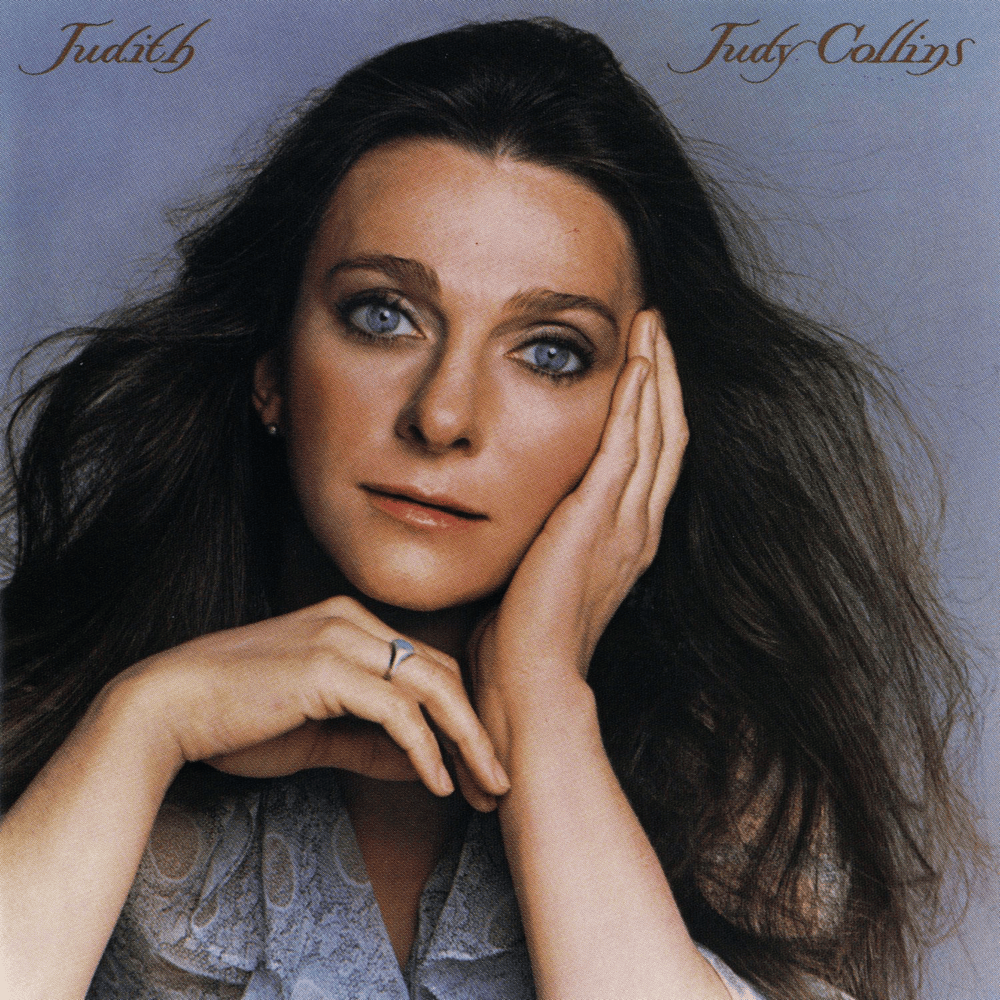
 View Artist