Song Meaning
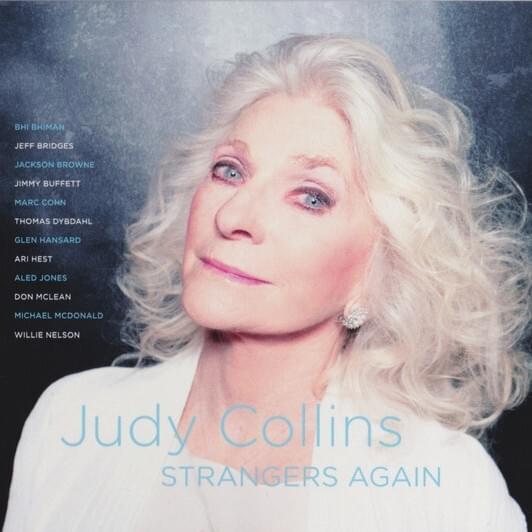
Judy Collins's "Belfast to Boston" isn't a travelogue; it's a plea carved from the heart of conflict. The rifles buried in the Irish countryside, waiting "for the rising of the moon," are not romantic relics but symbols of a cyclical, almost ritualistic violence. The hope, heavy with resignation, is that they simply rust away, a quiet death for instruments of war. But the song’s core isn't about weaponry; it's about the corrosive power of historical hatred and the near-impossible task of breaking free. Collins poses a series of wrenching questions: Who can end the killing? Who can forgive the unforgivable? Who will draw the line? These aren't rhetorical; they're desperate cries for a leader, a peacemaker, anyone willing to risk everything for the sake of stopping the bloodshed.
The chorus, "Send no weapons, no more money, send no vengeance across the seas," is a direct rejection of the external forces that perpetuate the conflict. It's a call for internal healing, for forgiveness between "my new countryman and me." This points toward a personal journey, perhaps an immigrant experience, where the singer seeks to build a life free from the old animosities. The "missing brothers, martyred fellows, silent children in the ground" are the ghosts of the conflict, their silence a deafening indictment of the ongoing violence. The plea to "lay God's rifle down" is a powerful subversion of the idea that violence is divinely sanctioned, a rejection of religious justifications for war.
Ultimately, "Belfast to Boston" is a song about the psychological burden of inherited conflict. It's about the immigrant's desire to escape the past, to build a future free from the hatred that defined their homeland. The repeated question, "Who will say, 'This far, no further,' oh Lord, if I die today?" underscores the urgency and the personal sacrifice required to break the cycle of violence. Collins isn't offering easy answers; she's presenting a stark portrait of the human cost of conflict and the difficult, but necessary, path towards forgiveness and peace.