Song Meaning
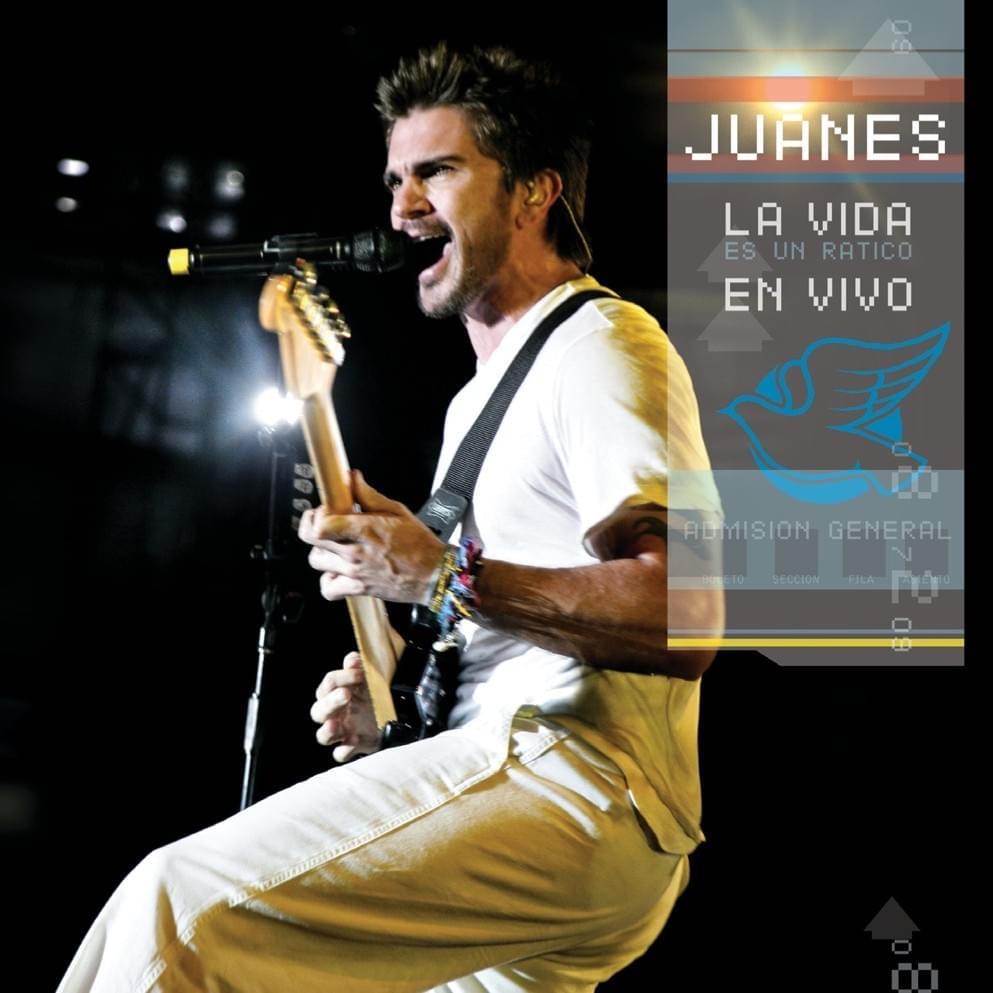
Juanes' live rendition of "Rebelion" isn't just a song; it's a sonic monument erected to defiance and the enduring spirit of resistance against oppression. Rooted in the brutal realities of 17th-century Cartagena, Colombia, the song excavates the harrowing history of slavery, immediately plunging the listener into a world where human beings were reduced to "esclavitos en cadenas" (little slaves in chains). The raw simplicity of the lyrics belies a potent emotional core, focusing on the visceral image of an African couple enslaved by a cruel Spaniard. The personal tragedy—the brutal beating of the Black woman—ignites a rebellion, a desperate act of vengeance fueled by love and righteous anger. It's a primal scream against injustice, echoing through centuries.
The phrase "No le pegue a mi negra" (Don't hit my Black woman) is not merely a plea; it's a declaration of war against dehumanization. The repetition amplifies its power, transforming it into a rallying cry, a mantra of defiance against the backdrop of systemic cruelty. Juanes doesn't just sing the lyrics; he embodies the pain and rage of a people pushed to the brink. The performance, stripped of excessive ornamentation, allows the song's core message to resonate with unflinching honesty. The live setting further intensifies this effect, creating a communal experience of shared grief and solidarity.
Ultimately, "Rebelion" transcends its historical context, speaking to the universal struggle for dignity and self-respect. It's a reminder that resistance can take many forms, from individual acts of defiance to collective uprisings. The song's enduring appeal lies in its ability to tap into our deepest sense of empathy and outrage, urging us to confront injustice wherever it exists. Juanes uses the music to not only tell a story but also to demand respect and recognition for a people whose history is scarred by suffering, transforming a historical narrative into a timeless anthem of liberation. The song meaning serves as a potent reminder: the fight for equality is far from over.
 View Artist