Song Meaning
The lyrics paint a disorienting picture of a child's room, where the mundane and the unsettling blur. A mouse scurries, a heart beats erratically, and a plea to stay awake suggests a fragile state. The imagery of a "striped sweater" and a lullaby, usually comforting, feels tinged with anxiety, especially when paired with the stark image of a child with "no skin."
The central tension seems to revolve around a profound vulnerability and a fear of abandonment or dissolution. The repeated request to "sing me the lullaby again" and the desperate "don't go" underscore a desperate need for reassurance. This fragility is amplified by the unsettling image of the child, "in it, has no skin," which evokes a sense of exposure and defenselessness.
The lyrics masterfully employ a creeping sense of unease through seemingly innocent details. The "ants" (el hormigueo) and the "mouse" in its "mouse hole under the sink" create a domestic yet slightly menacing atmosphere. The "cabinets with their drawers" and the "room of the mice" further build this claustrophobic, almost surreal environment. The intrusion of "madness" through the "keyhole" is the ultimate expression of this psychological unraveling.
This piece resonates because it captures a primal fear of losing control and the unsettling feeling of being exposed to unseen threats. The juxtaposition of childlike elements like lullabies and mice with the disturbing image of a skinless child and encroaching madness creates a powerful, dreamlike horror. It’s the feeling of a safe space becoming invaded by something deeply wrong, leaving the listener with a lingering sense of dread.
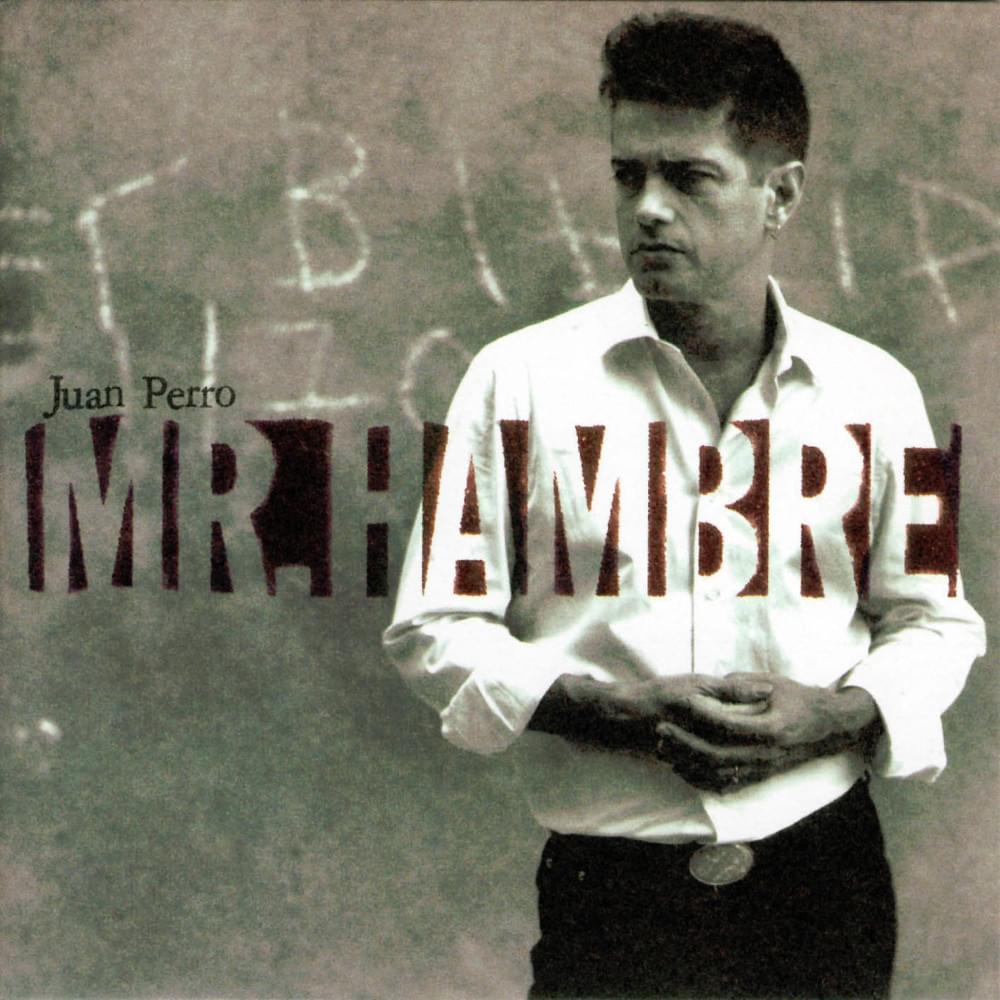
 View Artist