Song Meaning
The lyrics paint a picture of a slow-moving, weary mule cart traversing a starlit, dusty road. The immediate tone is one of quiet, almost somber, movement into darkness, seeking a safe place. The cart's journey feels ancient and deliberate, guided by the instincts of its mules toward a familiar, perhaps humble, destination.
The central tension arises from the contrast between the celestial and the earthly. Above, there's a "road of stars" and a "hand-painted" celestial cart that children wish to ride. Below, the narrator's path is filled with "darkness and sudden frights." This juxtaposition highlights a yearning for the divine or the ideal, while the reality is fraught with earthly struggles and uncertainty.
The most striking craft element is the personification of the cart's wheels as "fortune," one the sun and the other the moon. This imbues the cart with a cosmic significance, suggesting that its slow, steady progress is tied to the grand cycles of the universe, even as its path is marked by hardship. The lyrics also cleverly shift perspective, suggesting the narrator should let the children have the reins, but then asserting the mules' own knowledge of the "outskirts."
This writing is effective because it grounds grand, almost mythical imagery in the gritty reality of a dusty road and tired animals. The slow, repetitive rhythm implied by "andar cansino" (weary gait) mirrors the arduous but persistent nature of the journey. The final image of the cart "scratching the ground" on the starlit dust reinforces the tangible, earthbound struggle against a vast, indifferent cosmos.
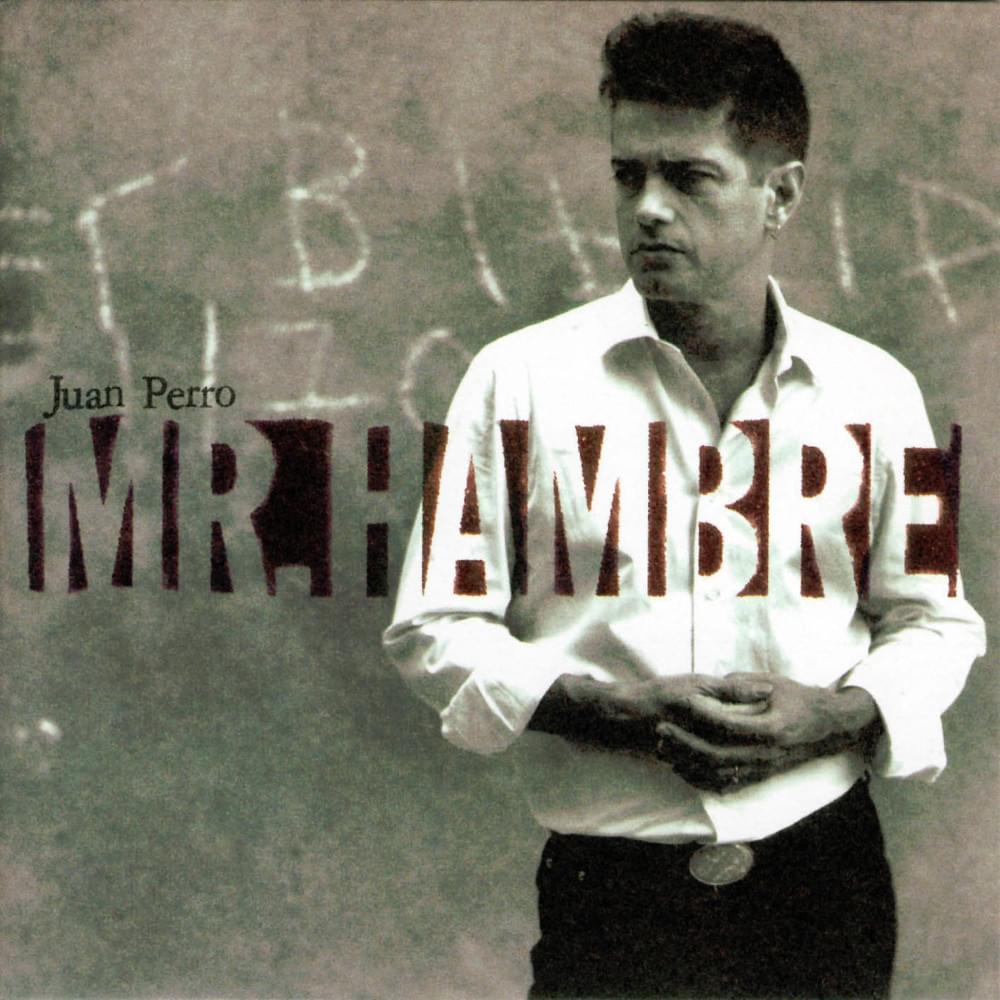
 View Artist