Song Meaning
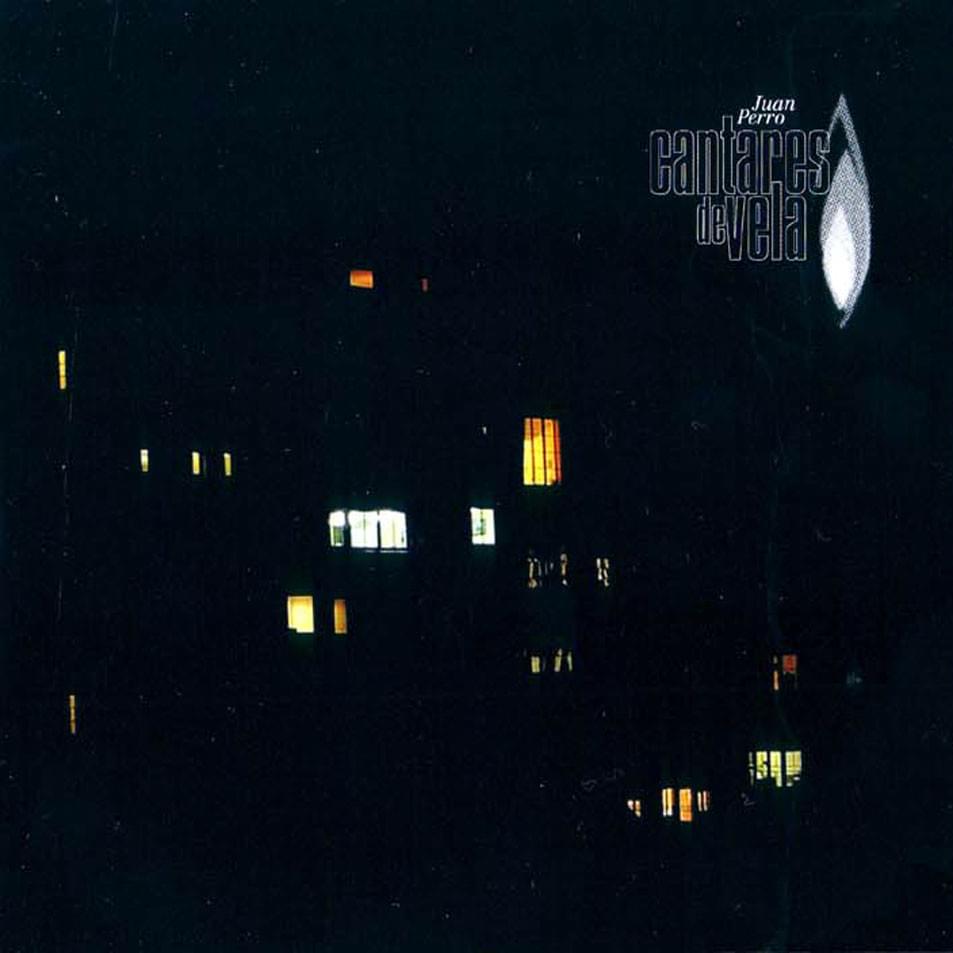
The lyrics paint a stark picture of desperation and risk, set against the fragile light of a single candle. Soldiers are gambling their lives away, "heads to the dice," with the image of something important printed on a coin that ultimately slips into a sack. This opening scene establishes a tone of precariousness, where words themselves turn to "ash," and a specific, almost taunting laughter, "Candela," is linked to a "breeze that extinguishes the candle." This recurring motif of the dying flame suggests the imminent loss of hope or clarity.
The central tension revolves around the destructive nature of desire and the systems that exploit it. Money is described as "fire that lit the citadel," hinting at how wealth can both build and burn down institutions. The advice to "keep your eyes open" and "bottle well capped" suggests a need for vigilance against unseen forces. The imagery shifts to a "condemned desire" seeking absolution through a "barcode," a modern symbol of commerce, implying that even sins are commodified. The introduction of Charon, the ferryman of the dead, and hell having a "new brand image" further underscores a world where even the afterlife is subject to market forces and corruption.
The most striking craft element is the persistent contrast between light and darkness, hope and its snuffing out. The "candle" is the fragile source of light, constantly threatened by the "breeze." This breeze, tied to "Candela's" laughter, creates a chilling connection between a specific person or entity and the forces of destruction. The lyrics also employ a sense of fatalism, where "talent markets" speculate with one's "soul" and steal "thought," suggesting a pervasive loss of agency. The final image of a "lord of this land" entering "darkness with the candle in hand" is particularly potent, offering no salvation, only a shared descent into the void.
These lyrics resonate because they tap into a deep-seated anxiety about control and consequence in a world that feels increasingly transactional and unpredictable. The specific, almost biblical imagery of gambling soldiers and Charon is juxtaposed with modern symbols like "barcodes," creating a sense of timeless corruption amplified by contemporary pressures. The recurring image of the extinguished candle serves as a powerful, visceral metaphor for lost hope, making the narrator's lament for "Candela's" laughter and the "breeze" feel like a profound, personal tragedy within a larger societal decay.
 View Artist