Song Meaning
The lyrics paint a stark picture of transient relationships, contrasting those who leave with the one who remains. The narrator observes that the one who stays might initially be swept away, like a river or puddle, only to eventually find themselves stuck with a situation or person. This person who stays is also prone to fleeting affections, offering everything one moment and nothing the next, yet they might eventually learn to commit. It's a contemplation on the nature of presence and absence in human connection.
The central tension arises from the narrator's own history of departure versus a newfound desire to stay. The repeated phrase "que me he ido tantas veces" (that I have left so many times) highlights a pattern of instability. However, an encounter with someone has caused a sudden halt, forcing introspection and a realization of past mistakes. This shift is profound, leading to the admission, "Que por primera vez / Me quiero quedar" (That for the first time / I want to stay).
The most striking craft element is the recurring motif of "el que se quede" (the one who stays), which is presented with a mix of potential outcomes – from being overwhelmed to learning to commit. This contrasts sharply with the narrator's personal confession of repeated departures and a current, unprecedented desire for permanence. The imagery of the mirror hiding cracks "de tanto andar" (from so much walking/living) powerfully conveys the wear and tear of a life spent moving on, making the narrator's current wish to stay feel earned and significant.
Ultimately, these lyrics resonate because they capture the universal human experience of recognizing the cost of constant movement and the quiet, profound shift that occurs when one finally finds a reason to put down roots. The raw admission of past errors and the simple, powerful declaration of wanting to stay for the first time create an emotional anchor, suggesting that true connection can emerge from a history of avoidance.
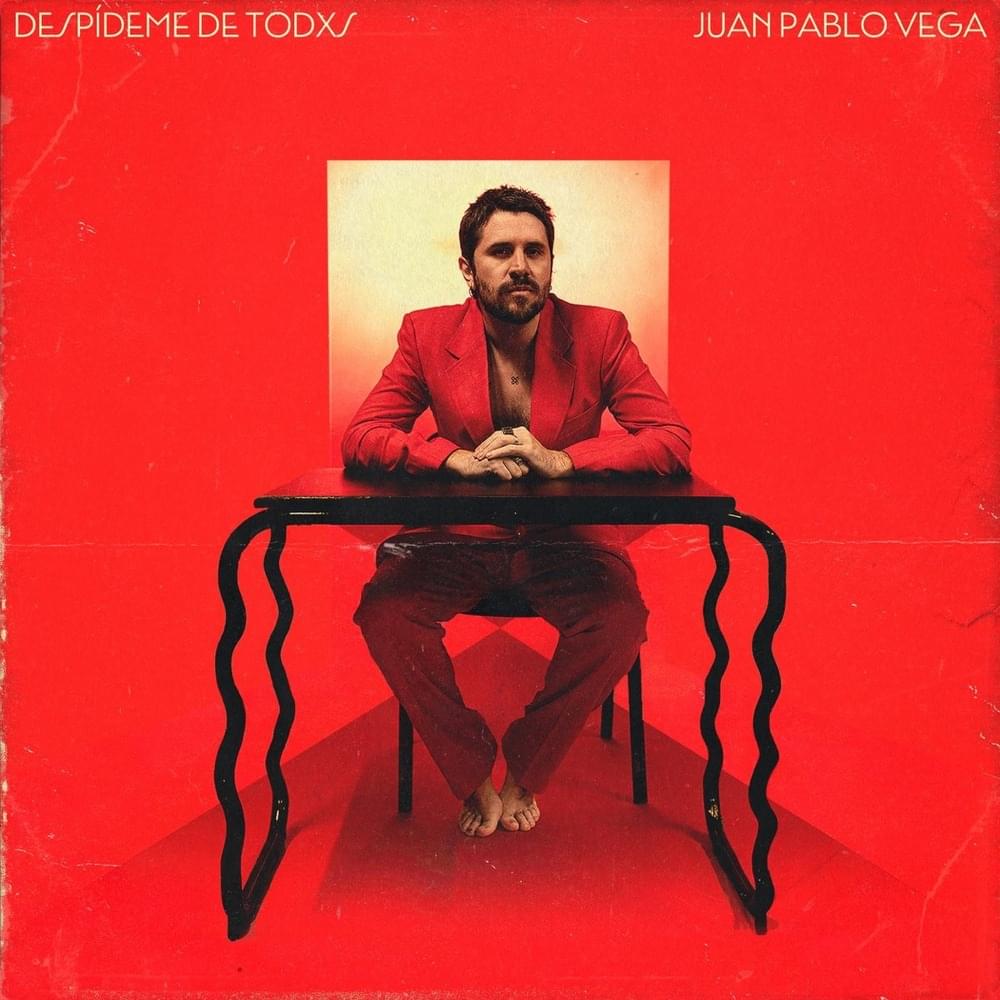
 View Artist