Song Meaning
Juan Luis Guerra's "Si Tú No Bailas Conmigo" isn't just a song; it's a concentrated dose of longing, wrapped in the irresistible rhythm of bachata. Guerra, a master of metaphor, builds his argument for connection through a series of natural pairings: the moon with rosemary, the dawn with the pine forest. These images aren't random; they represent inherent, almost ordained relationships. The lyrics create a world where everything has its counterpart, a partner in a cosmic dance. To deny this is to disrupt the natural order. He's suggesting that his connection with the object of his affection is just as vital and preordained as these natural phenomena. The "song meaning" hinges on this sense of destined partnership.
The core of the song, and its emotional weight, lies in the repeated refrain: "Si tú no bailas conmigo, prefiero no bailar" (If you don't dance with me, I'd rather not dance). It's a powerful statement of devotion, but also hints at a vulnerability, a fear of dancing alone. It's the psychological reality that shared experience multiplies joy, and isolation amplifies sadness. The dance, in this context, isn't just a physical act, but a metaphor for life itself. Guerra's lyrics imply a willingness to abstain from life's experiences if they cannot be shared with this specific person.
Even seemingly minor details, like "Yo he visto un sol desgreñado / Con una nube bailar" (I've seen a disheveled sun / Dancing with a cloud), add layers to the song's meaning. It's a slightly absurd, almost comical image, yet it reinforces the central theme: even the most unlikely pairings can find harmony in dance. The song avoids being overly sentimental through its subtle wit and its relentless celebration of connection. Guerra's skill lies in making this personal yearning universally relatable. The song captures the bittersweet reality that some connections are so profound that the thought of experiencing life without them becomes unbearable.
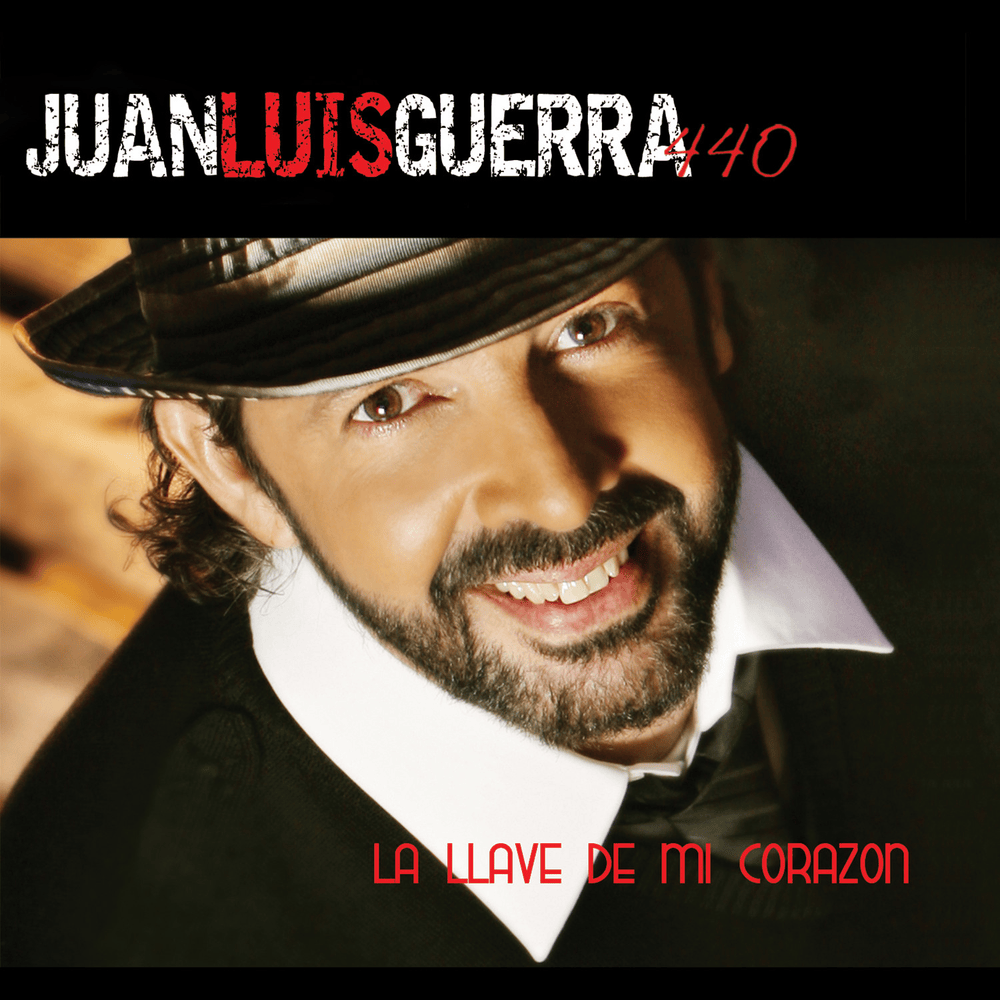
 View Artist