Song Meaning
The narrator is caught in a loop of obsessive thought, unable to shake the presence of a past love. The lyrics paint a picture of someone consumed by memories, repeating the phrase "Siempre en mi mente" (Always in my mind) like a mantra. This isn't just a fleeting thought; it's a constant, overwhelming presence that dictates their every moment. The simple, direct language emphasizes the raw, unvarnished nature of this emotional state.
The central tension lies in the narrator's desperate, yet futile, attempt to forget. They pose rhetorical questions like "¿Cómo quieres tú que te olvide?" (How do you want me to forget you?) and "¿Cómo te olvido?" (How do I forget you?), highlighting their helplessness. The repetition of "tú, tú, tú" underscores the singular focus of their obsession, while the repeated "nada, nada, nada" in the chorus conveys a profound sense of emptiness and lack of resolution. The narrator is actively seeking a solution but finds none, trapped by their own mind.
The most striking aspect of the craft is the sheer, unadorned repetition. It mirrors the cyclical nature of intrusive thoughts and the feeling of being stuck. The repeated questions about forgetting become less about seeking an answer and more about expressing the impossibility of the task. This structural choice amplifies the emotional weight, making the listener feel the narrator's persistent mental anguish. The contrast between the desire to forget and the inability to do so is the core of the song's emotional impact.
This lyrical approach is effective because it bypasses complex metaphors for a direct, almost primal expression of being haunted by a memory. The insistent repetition and direct questions create a sense of immediacy and shared experience for anyone who has felt unable to escape a persistent thought. It’s the sound of someone wrestling with their own mind, unable to find peace, and the lyrics make that struggle palpable.
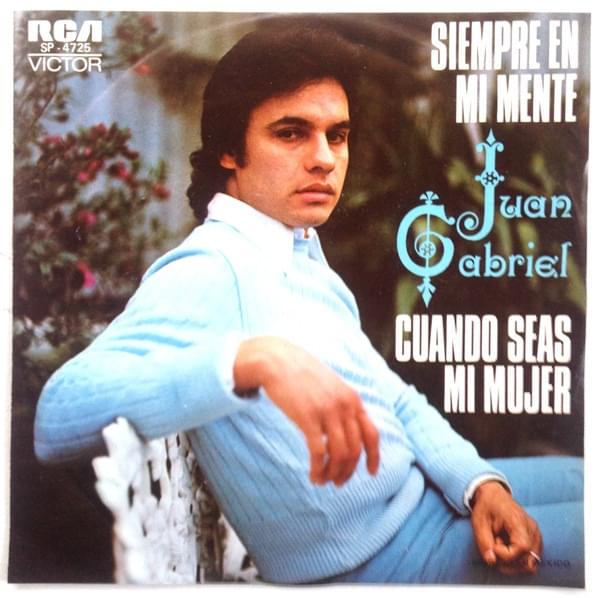
 View Artist