Song Meaning
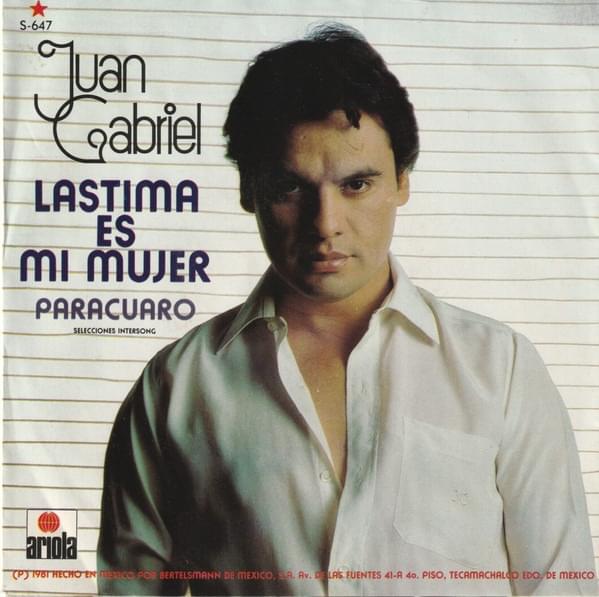
Juan Gabriel's "Lastimá Es Mi Mujer" opens with a devastating observation. The narrator sees a couple, noting they "hacen bonita pareja" and "se ven muy bien." This external beauty immediately clashes with the narrator's internal agony, as they confess, "me digo sollosando, Lastima es mi mujer."
The core of the lyrics reveals a profound betrayal and an unbearable emotional conflict. The man with the narrator's wife was once "mi mejor amigo," someone seen "como hermano." Now, this friend has taken "lo que mas quiero en el mundo," forcing the narrator into a torturous charade where they must endure, "soportando el llanto, tengo que aceptar sus besos."
The power of these lyrics lies in their stark repetition and brutal irony. The recurring lines about the "bonita pareja" underscore the narrator's inescapable torment, a constant reminder of what they've lost and what they're forced to witness. The word "Lastima" itself carries a double weight, expressing both pity for the situation and a deep, personal regret that this beautiful woman is *his* wife, making the betrayal all the more intimate and painful.
Ultimately, the lyrics are effective because they lay bare the agonizing paradox of love. The narrator admits, "Es por que la quiero / Que dejarla no no puedo," explaining their paralysis. Despite repeated attempts, they lack "el valor para decirle adios," trapping them in a cycle of heartbreak and forced intimacy. This raw honesty about love as a source of both profound suffering and unbreakable bonds resonates deeply.
 View Artist