Song Meaning
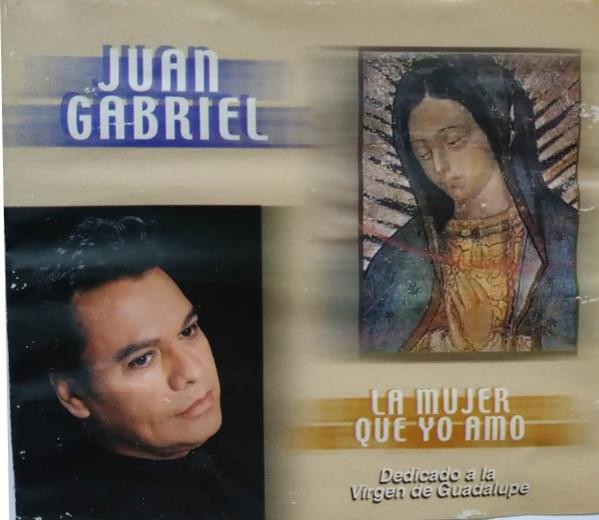
“La mujer que yo amo” begins as a series of lavish, almost unbelievable compliments. The narrator describes a woman of unparalleled beauty and power. She holds the “sol en sus manos” and the moon at her feet, a truly cosmic figure. This immediate hyperbole sets a tone of profound reverence.
The lyrics quickly move beyond mere romantic affection, elevating the subject to a figure of collective importance. The narrator sees “la fe de mi pueblo” in her “manto de estrellas.” She is not just a personal love but a queen who “empera otras tierras,” suggesting a widespread influence that transcends individual experience. This shift from intimate adoration to national or cultural significance creates a powerful emotional resonance.
The genius of these lyrics lies in their masterful, escalating reveal. Each stanza adds another layer of seemingly disparate yet grand descriptors: she is from Spain, yet “la india más pura.” These contrasting images build a sense of mystery, preparing the listener for the ultimate identification. The repeated structure, beginning with “La mujer que yo,” acts as a drumbeat, driving towards the climactic naming of “Guadalupe,” explicitly identified as “mi virgen morena.” This careful layering makes the final lines hit with immense emotional force.
By withholding the name until the very end, the lyrics force the listener to piece together the clues, creating a powerful “aha!” moment. The blend of celestial, royal, and indigenous imagery, all converging on the “virgen morena,” taps into a deep well of cultural and spiritual identity. It’s a testament to how specific, evocative language can transform personal devotion into a profound expression of collective faith and heritage, making the figure feel both intimately beloved and universally revered.
 View Artist