Song Meaning
The lyrics of "Cantando Te Conocí" open with a striking paradox: the narrator declares their only mistake was loving someone, yet immediately follows by stating no regret. This past, despite being an "error," is framed as a "concierto para enamorados." The initial lines set up a bittersweet reflection on a love that was both beautiful and ultimately painful.
The central emotional tension hinges on the powerful repetition of "cantando." The narrator proclaims, "cantando te conocí," establishing the beginning of the love as a song. This motif returns with a poignant twist: "Igual cantando es mi destino / Un día como este yo te perdí." The very act that brought them together also frames their separation, suggesting a fated, almost poetic symmetry to the relationship's arc, even as the loss feels abrupt and unexplained, vanishing "solo porque sí."
Crafting the love as an artistic performance is key to its emotional impact. The beloved is elevated to "mi sonata, mi mejor canción," a masterpiece present "Al claro de la luna, y a la luz del sol." This imagery imbues the relationship with a grand, almost timeless quality, making the eventual heartbreak feel like the end of a profound, all-encompassing artistic creation rather than a simple romantic entanglement.
The lyrics culminate in a powerful outro that scales the personal pain to cosmic proportions. The narrator contrasts universal knowledge—"El cielo sabe lo que es eterno / La tierra, lo que es un adiós / Los mares, lo que es profundo"—with their own singular understanding of suffering: "Pero yo, lo que es un dolor." This final comparison makes the narrator's grief feel immense and uniquely profound, suggesting a suffering so deep it rivals the vastness of the natural world.
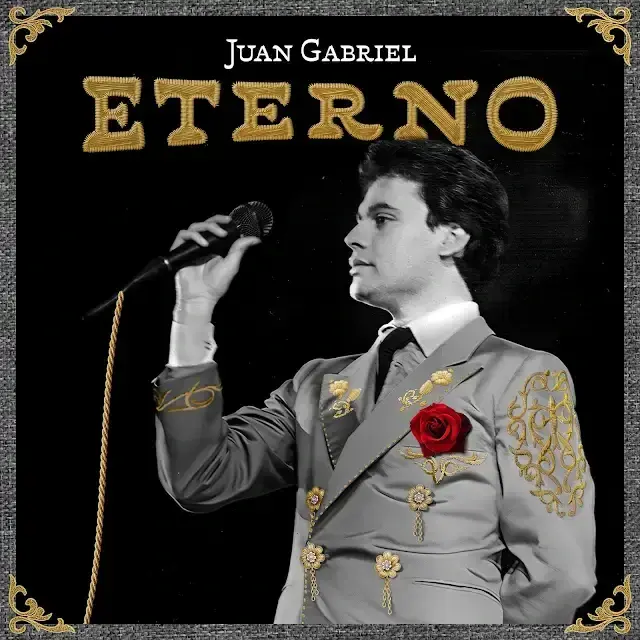
 View Artist