Song Meaning
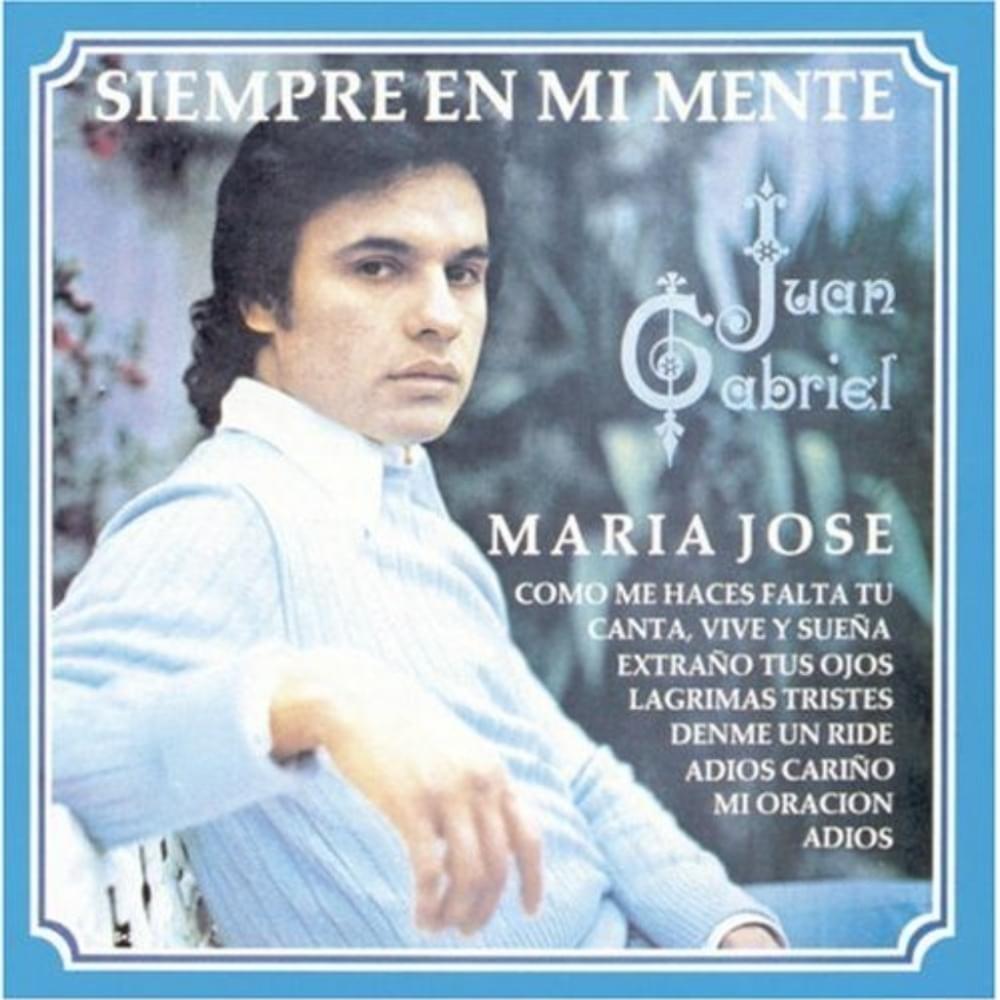
“Adiós, Cariño” delivers a farewell that’s both gracious and devastatingly final. The speaker bids goodbye with wishes of “muy buena suerte” (very good luck). But this politeness is immediately undercut by a stark “hasta nunca” (until never), signaling an absolute end.
The lyrics present a speaker caught between a polite blessing and the crushing weight of a permanent separation. The phrase “Que te vaya bien” (May you do well) is repeated relentlessly, almost like a mantra, suggesting a desperate attempt to project goodwill or perhaps to convince themselves of it. This constant refrain creates a hypnotic, almost unsettling rhythm that belies the simple words, hinting at a deeper emotional struggle beneath the surface. It's a performance of well-wishing that feels increasingly fragile with each repetition.
The true emotional core arrives when the speaker briefly drops the facade: “Yo se que nunca volverás / Y que jamás de mi tu no te acordaras.” This sudden, stark admission reveals the profound certainty of loss and being forgotten, shattering the earlier composure. It’s a moment of raw vulnerability, where the tender “cariño” from the opening clashes sharply with the absolute finality of “hasta nunca,” emphasizing a love that is ending completely despite lingering affection. This brief, honest interlude makes the return to the repeated blessings even more poignant.
The power of these lyrics lies in their deceptive simplicity. The relentless repetition of “Que te vaya bien” initially feels like a kind wish, but its sheer volume transforms it into something more complex—a coping mechanism, a forced acceptance, or even a quiet plea. This structure effectively captures the emotional dissonance of a goodbye where the heart knows the truth, even as the lips offer a blessing. It’s a masterclass in conveying deep sorrow through a veneer of polite resignation.
 View Artist